
Federal spending in plain words
PB Spending Watch explains federal spending, earmarks, the budget process, shutdowns and the debt ceiling in plain words and without taking sides. Every fact is checked against Congress.gov, the Congressional Budget Office, USAspending.gov, the Government Accountability Office, appropriations committee reports and the Federal Register. Porkbusters.org was once home to PorkBusters, a campaign against congressional earmarks run by bloggers from 2006 to 2010, and a new, independent team relaunched it in 2026 as PB Spending Watch.
- Congress.gov
- CBO
- USAspending.gov
- GAO
- Federal Register
Latest updates
-

The 2008 Bailout Bill: What Was in It and What It Cost
The 2008 bailout law created the $700 billion Troubled Asset Relief Program (TARP). Treasury ended up spending about $443.5 billion of that, and the program’s lifetime net cost came to roughly $31 billion, according to the Government Accountability Office and the Congressional Budget Office. Congress banned…
-

The Pork Hall of Shame Project
-

Trent Lott: Tired, but Wily (The 2006 “Railroad to Nowhere” Fight)
-

Hastert’s Earmark and Land Deal: The Prairie Parkway Story
-

Thoughts on Senate Pork: Virginia’s Nonprofit Earmarks and a Warning from North Carolina
-

Bush’s ‘dangerous proposal’: the 2006 line-item veto fight and what came next




How federal spending works
Three ideas explain most of the news about federal money: how it gets approved, where it gets steered, and what happens when it stops.
Appropriations
Congress funds discretionary spending through 12 annual appropriations bills, which are meant to pass before the federal fiscal year begins on October 1. When they run late, a continuing resolution keeps money flowing at current levels until the full bills are done.
Federal budget storiesEarmarks
Money that a member of Congress directs to a named project back home is called an earmark. Banned from 2011, earmarks returned for fiscal 2022 as Community Project Funding in the House and Congressionally Directed Spending in the Senate, with sponsors’ names published.
Earmark storiesShutdowns and the debt ceiling
A shutdown starts when funding lapses and agencies must stop any work that is not essential. The debt limit is a separate cap on how much the Treasury may borrow to pay for spending Congress has already approved.
Budget fightsCongress
All







From the PorkBusters archive
From 2006 to 2010, this address was home to PorkBusters, a campaign run by bloggers against congressional earmarks, and some of its posts are kept here with their original dates and a short update at the top explaining how each story ended. PB Spending Watch has no connection with the people who ran it.

Who Put the Secret Hold on S.2590? The 2006 Senate Hunt
Originally published December 2, 2007
The Pork Hall of Shame: February 2006 Award Winners
Originally published January 7, 2008
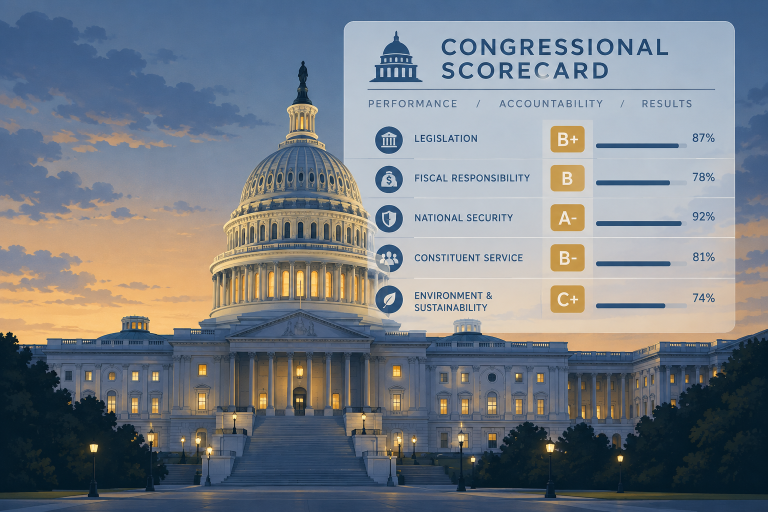
The Earmark Reform Index: How Members of Congress Scored
Originally published July 13, 2007
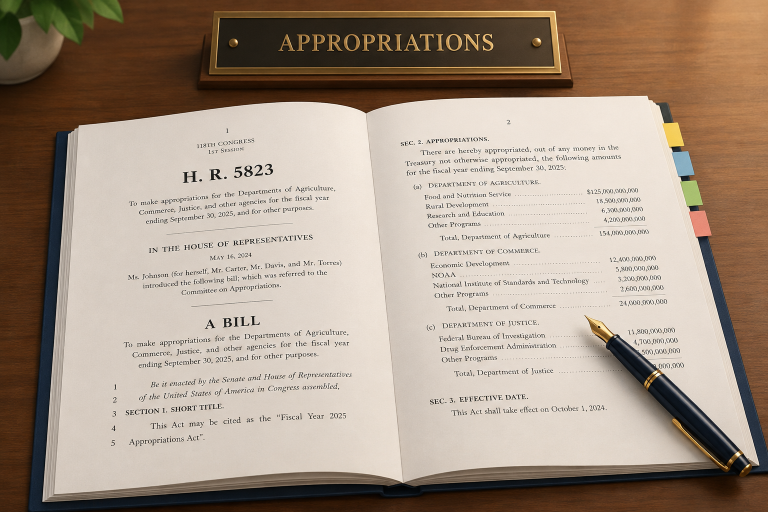
Earmarks in the 2006 Labor-HHS Appropriations Bill
Originally published January 7, 2008

An Open Letter to President Bush: End the Era of Earmarks
Originally published December 15, 2007

Spirit of 1776: The House’s 1,776 Defense Earmark Requests
Originally published July 15, 2007
Where the numbers come from
- Congress.govBill text, recorded votes and the current status of legislation, straight from the official record kept by the Library of Congress.
- Congressional Budget OfficeNonpartisan cost estimates for bills in Congress, along with regular reports on the budget and economic outlook.
- USAspending.govSearchable records showing who receives federal contracts, grants and loans, and how much each recipient was awarded.
- Government Accountability OfficeIndependent audits and investigations of how federal programs spend money, prepared for Congress by its own watchdog agency.
- Federal RegisterProposed rules, final rules and public notices from federal agencies, published every business day in the government’s official daily journal.