Betty McCollum’s Pork Votes: The 19 Flake Amendments of 2006
In 2006, Rep. Jeff Flake (R-AZ) forced the House to vote on 19 earmarks one at a time. Every one of them survived, and Rep. Betty McCollum (DFL-MN) voted to keep all 19. After that, Congress turned against earmarks. In 2011 both chambers adopted a moratorium, and it lasted a decade. Earmarks came back in 2021 under new names: Community Project Funding in the House and Congressionally Directed Spending in the Senate. As of November 2026, members must post their requests online, certify that they have no financial interest in them, and stay within a cap of about 1% of discretionary spending. McCollum won reelection to the House on November 3, 2026. FY2027 spending is running on a stopgap continuing resolution that expires December 11, 2026.
What the original post covered
The post below first ran in 2006 on MOBANGE!, a blog whose author lived in the Minnesota 4th Congressional District. PorkBusters, a campaign against congressional earmarks launched by bloggers N.Z. Bear and Glenn Reynolds in September 2005, shortly after Hurricane Katrina, republished the post. The text below keeps the post’s record and its argument but restates them in the third person, with the facts checked and dated.
Why bloggers targeted earmarks in 2006
The blogger described pork as spending added to legislation at the last minute without debate. In the blogger’s view, the practice was wrong in principle and had grown a great deal in the years before 2006. That view was common among PorkBusters bloggers and fiscal conservatives at the time. Supporters of earmarks answered that members of Congress know their districts better than federal agencies do, and that the Constitution gives Congress the power over spending.
Jeff Flake’s 19 anti-pork amendments
Between late May and late June 2006, Representative Jeff Flake (R-AZ) offered 19 amendments to House appropriations bills. Each amendment did the same thing. It pulled one earmark out of its bill and made members vote on it by name. The first votes came on May 23, 2006, during debate on the agriculture spending bill.
Not one amendment passed. According to a summary of the votes in The American Spectator, no amendment got more than 92 votes in favor. That means none of them won even half of the House Republican majority. The same report noted that Nancy Pelosi (D-CA), then the House Democratic leader, voted against all 19.
Flake stayed in the House until 2013 and then served one term in the US Senate, from 2013 to 2019. President Joe Biden appointed him ambassador to Turkey. He started in that job in January 2022 and left on September 1, 2024.
The Club for Growth scorecard
The Club for Growth is a conservative group that pushes for lower taxes and spending. It collected the 19 Flake votes into a “RePORK Card” so voters could see how their representative voted on each earmark. Three Arizona Republicans, Flake, Trent Franks and J.D. Hayworth, voted for all 19 amendments. So did Jeb Hensarling (R-TX). In 2007 the group put out a bigger scorecard that covered 50 anti-earmark amendments.
Minnesota’s 4th District and Betty McCollum
The Minnesota 4th District is centered on St. Paul, plus suburbs in Ramsey and Washington counties. It has elected members of the Democratic-Farmer-Labor Party (DFL) since 1948, the year Eugene McCarthy first won it. Only four people have held the seat since then:
- Eugene McCarthy, 1949 to 1959 (10 years)
- Joseph Karth, 1959 to 1977 (18 years)
- Bruce Vento, 1977 to 2000 (about 24 years; he died in office)
- Betty McCollum, 2001 to the present
The original post was written in her sixth year in office. On November 3, 2026, McCollum beat Republican Paul Wikstrom. That keeps her in the seat for a 14th term starting in January 2027. She now sits on the House Appropriations Committee, which writes the spending bills that carry Community Project Funding.
How McCollum voted on the 19 earmarks
The scorecard showed McCollum voting against all 19 Flake amendments, so she voted to keep every earmark in its bill. The blogger called this “a perfectly bad record.” Most of the House voted the same way, Republicans and Democrats alike. In these votes, a “Yes” was a vote to cut the earmark and a “No” was a vote to keep it.
| Roll call (2006) | Earmark | Amount |
|---|---|---|
| House Vote 190 | Dairy education in Iowa | $229,000 |
| House Vote 191 | Hydroponic tomato production in Ohio | $180,000 |
| House Vote 192 | National Grape and Wine Initiative | $100,000 |
| House Vote 204 | Virginia Science Museum | $250,000 |
| House Vote 205 | Juniata Locomotive Demonstration | $1,000,000 |
| House Vote 277 | Swimming pool in Banning, California | $500,000 |
| House Vote 278 | “Facilities” in Weirton, West Virginia | $100,000 |
| House Vote 279 | Multipurpose facility in Yucaipa, California | $500,000 |
| House Vote 280 | Strand Theater Arts Center in Plattsburgh, New York | $250,000 |
| House Vote 298 | Mystic Aquarium in New London, Connecticut | $1,000,000 |
| House Vote 299 | The Jason Foundation in Ashburn, Virginia | $1,000,000 |
| House Vote 302 | Northwest Manufacturing Initiative | $2,500,000 |
| House Vote 303 | Lewis Center for Education Research | $4,000,000 |
| House Vote 304 | Leonard Wood Research Institute | $20,000,000 |
| House Vote 334 | Arthur Avenue Retail Market | $150,000 |
| House Vote 335 | Bronx Council for the Arts, Bronx, New York | $300,000 |
| House Vote 336 | Johnstown Area Regional Industries | $800,000 |
| House Vote 337 | Fairmont State University | $900,000 |
| House Vote 338 | Tourism Development Association in Kentucky | $1,000,000 |
| Total | 19 earmarks | $34,759,000 |
The 19 amounts add up to $34,759,000. The blogger called this taxpayer money “spent without debate.” Two points complicate that claim. First, Flake’s amendments did force a floor debate and a recorded vote on each item. Second, these were earmarks in House-passed bills, and House passage did not guarantee the money. Several FY2007 spending bills were never enacted in 2006. In early 2007 the new Congress passed a full-year continuing resolution that left out most earmarks in those bills.
What the campaign asked readers to do
The blogger planned more posts about the groups that got this money. Readers were invited to join in mocking them, with the stated hope that seeking an earmark would one day bring shame instead of celebration. Like other PorkBusters posts, it ended with a “Digg This” button for sharing on Digg, a social news site that was popular then. Critics of this approach said many of the recipients were local governments, universities and nonprofits that had gone through the normal request process.
What happened to earmarks after 2006
The blogger’s hope came partly true, but only for a while. In November 2010, House Republicans adopted an earmark moratorium for the 112th Congress. The Senate followed, and Congress passed bills without earmarks from 2011 through 2021.
In 2021, House Appropriations Chair Rosa DeLauro (D-CT) and Senate Appropriations Chair Patrick Leahy (D-VT) brought them back, starting with the FY2022 bills. The new rules were stricter than the ones in place in 2006:
- Members post every request online, with the recipient, the amount and the purpose.
- Each member certifies in writing that neither the member nor the member’s immediate family has a financial interest in the project.
- House Community Project Funding can go to state and local governments and eligible nonprofits, not to for-profit companies.
- Total earmarks are capped at about 1% of discretionary spending.
- The appropriations committees publish the final list for each enacted bill.
Even with these rules, earmarks are still large. The watchdog group Citizens Against Government Waste counted 8,392 earmarks worth $23.7 billion in FY2026 in its 2026 Congressional Pig Book. The group’s method counts more items as earmarks than the committees’ own tables do.
FY2027 earmarks are not settled. Congress passed a continuing resolution, H.R. 6500 (P.L. 119-103). The House cleared it 370-48 on September 1, 2026, and it was signed on September 2. It funds the government at FY2026 levels through December 11, 2026. A continuing resolution does not fund new earmarks. FY2027 Community Project Funding and Congressionally Directed Spending take effect only if Congress passes full-year bills that include them. Without full-year bills or another stopgap, funding lapses on December 12, 2026.
FAQ
Did Betty McCollum really vote against all 19 Flake amendments?
Yes. The Club for Growth’s 2006 RePORK Card, built from House roll-call votes, shows her voting no on all 19. A “no” vote kept the earmark in its bill. Most House members of both parties voted the same way, and no amendment got more than 92 votes.
Who was Jeff Flake?
Flake is an Arizona Republican. He served in the House from 2001 to 2013 and in the Senate from 2013 to 2019. He was known for offering amendments to strip individual earmarks from spending bills. From January 2022 to September 2024 he was US ambassador to Turkey.
Are earmarks still banned?
No. Congress stopped earmarking in 2011 and brought it back in 2021. The House calls them Community Project Funding and the Senate calls them Congressionally Directed Spending. Requests must be posted publicly and come with a no-financial-interest certification, and totals are capped at about 1% of discretionary spending.
Was the $34,759,000 actually spent?
Not all of it as written. The 19 earmarks were in House-passed versions of FY2007 bills. Several of those bills were never enacted in 2006, and the full-year continuing resolution passed in early 2007 left out most earmarks in the bills it replaced. Whether a given project got money in the end depends on the final law for its bill.
How can you see earmarks requested by your own representative today?
Each House member posts Community Project Funding requests on their official website. Each senator does the same for Congressionally Directed Spending. The House and Senate appropriations committees publish tables of the earmarks in each bill, and USAspending.gov shows federal awards once agencies pay them out.
Who represents Minnesota’s 4th District now?
Betty McCollum, a DFL member who has held the seat since January 2001. She won reelection on November 3, 2026, defeating Republican Paul Wikstrom. Her new term starts in January 2027.
Sources
- Congress.gov, CRS Appropriations Status Table: FY2027
- Congressional Research Service, Overview of Continuing Appropriations for FY2027 (Division A of P.L. 119-103)
- Congressional Research Service, Status of FY2027 Labor, Health and Human Services, and Education Appropriations: In Brief
- Senate Appropriations Committee, FY 2026 Congressionally Directed Spending
- Congressional Record, May 24, 2006, Extensions of Remarks (roll call 190)
- The American Spectator, “They Haven’t Changed” (2006 RePORK Card)
- Citizens Against Government Waste, 2026 Congressional Pig Book
- CBS Minnesota, Betty McCollum wins reelection in Minnesota’s 4th District
- Hurriyet Daily News, US Ambassador to Türkiye to leave on Sept 1
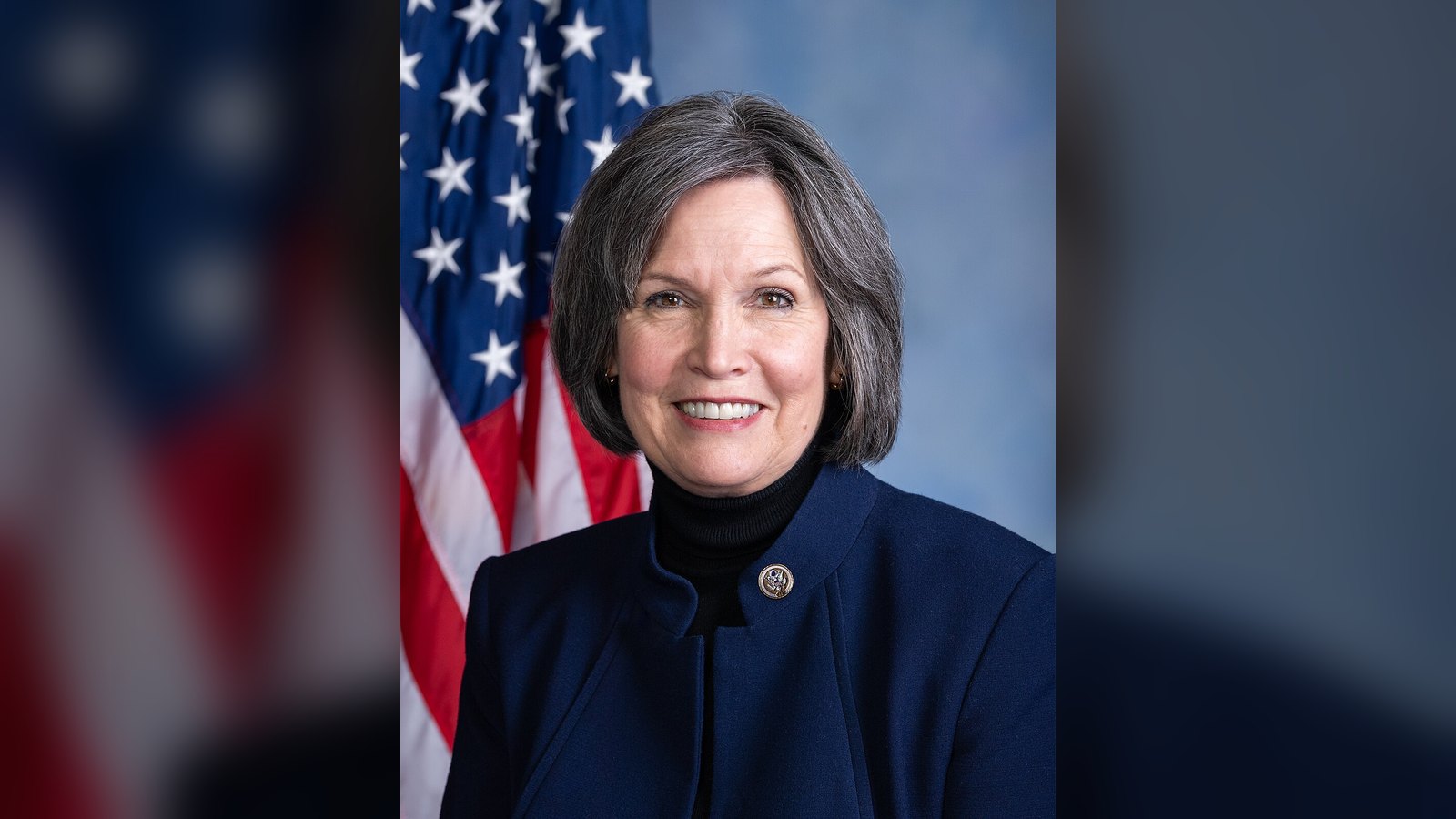
Featured image: Betty McCollum. Photo: U.S. House Office of Photography/House Creative Services (Franmarie Metzler) / Wikimedia Commons, Public domain (file page)
About this article
- Fact-checked before publication.
- Published · Updated