Hastert’s land profit and the Prairie Parkway earmark
Former House Speaker Dennis Hastert’s Prairie Parkway was never built. The Federal Highway Administration withdrew its approval in August 2012, Illinois moved the remaining federal money to widening Route 47 and US 34, and Hastert left Congress in 2007. His 2016 federal prison sentence came from an unrelated bank-structuring case, not the land deal. Congress banned earmarks from 2011 and brought them back in 2021 as Community Project Funding in the House and Congressionally Directed Spending in the Senate. As of November 2026, both chambers cap earmarks and limit how many projects each member may request. For fiscal 2027 the cap is 0.5% of discretionary spending in House bills and 1% in the Senate. Both chambers bar for-profit recipients, post every request online and require each member to certify in writing that they and their family have no financial interest in the project.
What the 2006 post said
In June 2006 the blog The Impolitic published a post about Hastert’s land sale, and the PorkBusters campaign shared it. PorkBusters was a campaign run by bloggers against congressional earmarks from 2006 to 2010. The post drew on reporting by the Chicago Tribune and other Illinois papers. It opened by asking who needs lobbyists and their donations when you can make a killing on your own earmarks.
The facts it described, checked against news coverage from the time, are below.
The Kendall County land sale
In December 2005, Hastert (R-Ill.) and two partners sold land near Little Rock and Galena roads in Plano, Illinois, through a land trust, Little Rock Trust #225. The buyer was a developer that planned more than 1,500 homes plus commercial space on the site. The price was nearly $5 million, and the partners had put the land together over a little more than three years.
The Chicago Tribune account quoted in the post said Hastert received five-eighths of the proceeds, a profit of more than $1.5 million. Other outlets, including the Chicago Sun-Times and the Sunlight Foundation, put his profit closer to $2 million. Hastert’s spokesman said the partners were Thomas Klatt and Dallas Ingemunson. He said the extra land had been bought to give Hastert’s own 195-acre farm road access.
Hastert took most of his share in land rather than cash. Some of that land sat less than 2 miles from the parcels that were sold.
The tax question
The blog’s author argued that Hastert took land instead of cash to avoid capital gains tax. That was the author’s reading. A swap like this usually follows the like-kind exchange rules in Section 1031 of the tax code, which put off capital gains tax until the replacement property is sold. The tax is not cancelled. The blogger also described a required one-year holding period. Section 1031 has no fixed one-year rule.
The Prairie Parkway earmark
Hastert had long supported the proposed Prairie Parkway, a highway of about 37 miles through the fast-growing area west of Chicago. Reporting at the time said he helped secure about $207 million for it through earmarks in the 2005 federal highway law, SAFETEA-LU. President George W. Bush signed that law in August 2005 at a Caterpillar plant in Montgomery, Illinois, in Hastert’s district, about three months before the land sale.
The Sunlight Foundation, a transparency group, first linked the sale to the earmark. It used Hastert’s financial disclosure filings and county land records.
What each side said
Hastert’s press secretary, Ron Bonjean, said it was wrong to think the speaker’s support for the parkway could help his property investments, because the land was about 5 miles from the proposed route. “It’s too far away to have an effect,” Bonjean said. “The speaker has bought land like every American has a right to…. He is not benefiting from the parkway.” Hastert himself said the sale had nothing to do with the Prairie Parkway. Local reporting disagreed on the distance. The Beacon News put the edge of the development about three miles from the route.
The blogger rejected that defense. The post argued that homes near a highway interchange gain value from easy access, even when they are not right next to the road. The author agreed the deal was not illegal and said an ordinary citizen doing the same might be called a good businessman. The author’s objection was ethical: a sitting lawmaker, the post said, should not profit privately from government projects that he helps steer.
No criminal charges came from the land deal.
What happened to the Prairie Parkway
The road was never built. Federal officials approved the project in 2008. Citizen and environmental groups opposed it and sued the Federal Highway Administration, saying its environmental review was inadequate. In August 2012 the agency withdrew its approval of the project, which was by then estimated at about $1 billion.
The Illinois Department of Transportation (IDOT) moved the remaining federal money, including about $51 million, to widening Illinois Route 47 and improving US 34 in the same area. IDOT officials said the Route 47 widening had always been part of the Prairie Parkway plan. Opponents said the project was dead. In 2018, IDOT dropped the corridor it had reserved for the road.
What happened to Hastert
Hastert stepped down as Republican leader after Democrats won the House in the 2006 elections. He resigned from Congress in November 2007. In 2015 federal prosecutors charged him with structuring bank withdrawals and with lying to the FBI. Structuring means breaking cash withdrawals into smaller amounts to avoid bank reporting rules. The money paid hush money tied to sexual abuse from decades earlier, when he was a high school wrestling coach. In October 2015 he pleaded guilty to one count of structuring, and prosecutors dropped the false-statements charge under the plea deal. On April 27, 2016, U.S. District Judge Thomas Durkin sentenced him to 15 months in prison, followed by two years of supervised release. The case had nothing to do with the land deal or the earmark.
How earmarks work now
Earmarks still exist, with rules written partly in response to cases like this one. When the Hastert story broke in 2006, the House had no rule requiring members to disclose earmark requests or certify that they had no financial stake. The House added disclosure rules in January 2007. The Senate adopted Rule XLIV through the Honest Leadership and Open Government Act of 2007.
House Republicans adopted an earmark moratorium for the 112th Congress after the 2010 elections, and the ban held from 2011 through fiscal 2021. Appropriators brought earmarks back in 2021, starting with the fiscal 2022 bills, under new names and new rules:
| Rule (fiscal 2027) | House (Community Project Funding) | Senate (Congressionally Directed Spending) |
|---|---|---|
| Spending cap | 0.5% of discretionary spending | 1% of discretionary spending |
| Request limits | Up to 20 requests per member | Committee sets a maximum number of requests per senator |
| For-profit recipients | Not allowed | Not allowed |
| Financial interest | Member certifies no personal or family interest | Senator certifies in writing; letter made public |
| Public disclosure | Requests posted on member websites | Requests posted, with recipient, purpose, location and amount |
| Oversight | GAO audits a sample of enacted items | GAO audits a sample of enacted items |
Earmarks only become law when a full-year appropriations bill passes with them included. The fiscal 2026 projects were funded in the Consolidated Appropriations Act, 2026 (P.L. 119-75). For fiscal 2027, the government is running on a stopgap, the Continuing Appropriations Act, 2027 (P.L. 119-103), signed on September 2, 2026, which funds agencies through December 11, 2026. Stopgap bills normally carry no new earmarks, so fiscal 2027 House and Senate projects stay unfunded until Congress passes full-year bills.
FAQ
Did Dennis Hastert break the law with the Prairie Parkway land deal?
No charges were filed over the land deal. Even the blogger who criticised it called it legal and argued it was an ethics problem. Hastert’s 2016 sentence came from his October 2015 guilty plea to one count of structuring bank withdrawals in an unrelated hush-money case.
How much did Hastert make from the Plano land sale?
Reports from 2006 differ. The Chicago Tribune account quoted in the original post put his profit at more than $1.5 million, from a five-eighths share of a sale worth nearly $5 million. The Chicago Sun-Times and the Sunlight Foundation put it at about $2 million.
Was the Prairie Parkway ever built?
No. The Federal Highway Administration withdrew its approval in August 2012 after opposition and a lawsuit from environmental groups. IDOT moved the remaining federal money to Route 47 and US 34, and dropped the corridor in 2018.
Are earmarks still banned?
No. Congress banned them from 2011 through fiscal 2021 and brought them back in 2021. In the House they are called Community Project Funding and in the Senate Congressionally Directed Spending. For fiscal 2027, House earmarks are capped at 0.5% of discretionary spending, with up to 20 requests per member. Senate earmarks are capped at 1%, and each senator has a maximum number of requests.
Could a lawmaker profit from an earmark today the way critics said Hastert did?
Current rules require every member who requests an earmark to certify in writing that they and their immediate family have no financial interest in it, and those certifications are made public. The rules cover a direct stake in the project. They do not cover land a member owns somewhere near it, so disclosure and press scrutiny still carry much of the weight.
Where can you look up current earmarks?
The House and Senate Appropriations Committees publish tables of funded projects with each spending bill. Members also post their requests on their own websites. Agencies such as the Federal Transit Administration list the earmarked projects they run.
Sources
- Congressional Research Service, “Overview of Continuing Appropriations for FY2027 (Division A of P.L. 119-103),” Congress.gov
- Congressional Research Service, “Transportation, Housing and Urban Development, and Related Agencies (THUD) Appropriations for FY2026,” Congress.gov
- House Appropriations Committee, “Guidance for Community Project Funding” (FY2027)
- Senate Appropriations Committee, “Reforms and Regulations for Congressionally Directed Spending in Fiscal Year 2027”
- Senate Appropriations Committee, “FY27 Appropriations Requests and Congressionally Directed Spending”
- House Committee on Ethics, “Funding Request Guidance” (Pink Sheet)
- Federal Transit Administration, “Community Project Funding/Congressionally Directed Spending”
- U.S. Department of Justice, statement following the sentencing of former Speaker J. Dennis Hastert
- Sunlight Foundation, “How We Did It” (June 2006)
- CBS News, “Speaker Hastert’s Land Deal Questioned” (2006)
- Northern Public Radio (WNIJ), “Prairie Parkway Funding Is Withdrawn” (August 2012)
- NBC Chicago, “Feds Rescind Approval of Prairie Parkway Project” (2012)
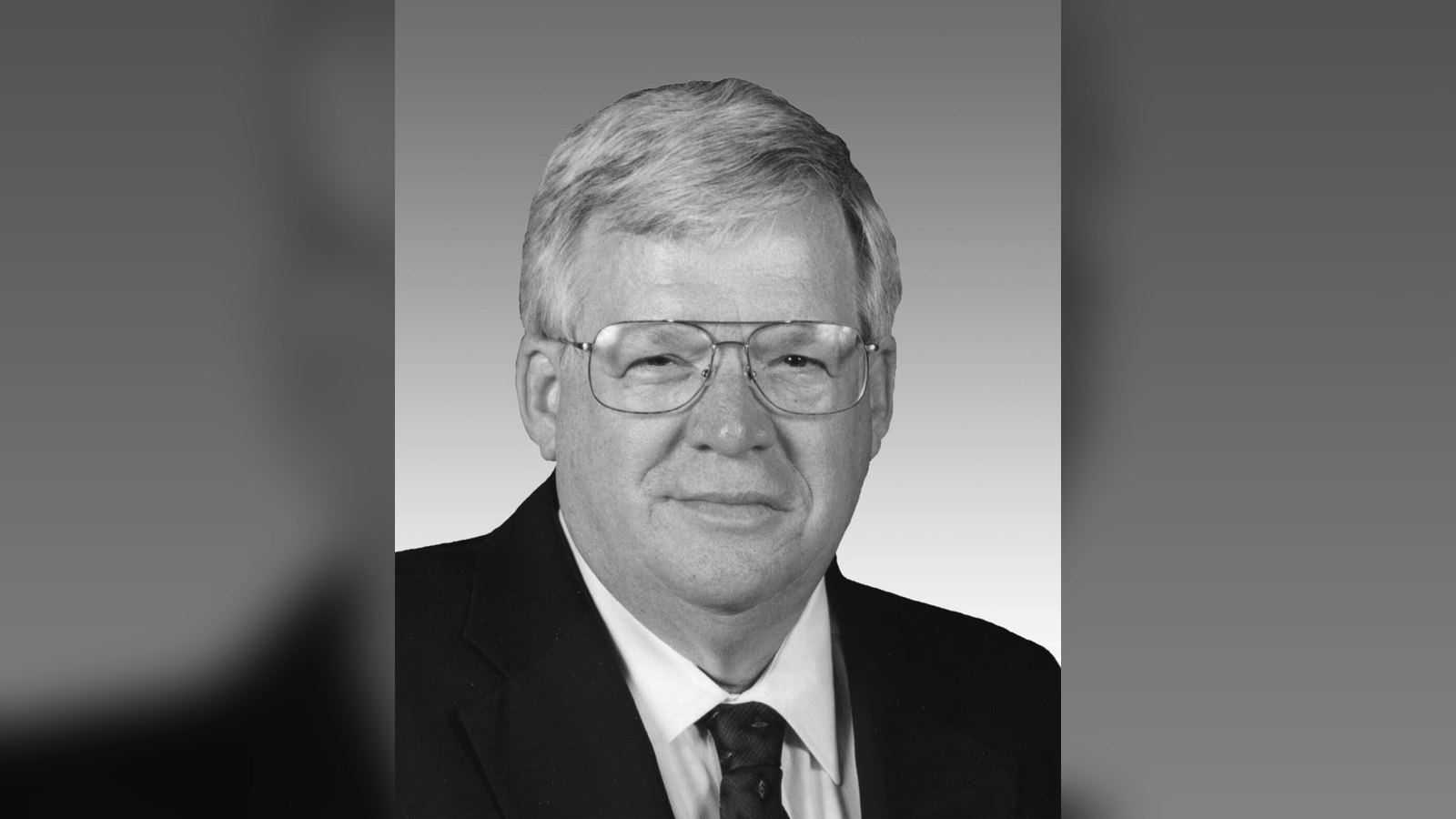
Featured image: Dennis Hastert. Photo: U.S. Government Publishing Office / Wikimedia Commons, Public domain (file page)
About this article
- Fact-checked before publication.
- Published · Updated