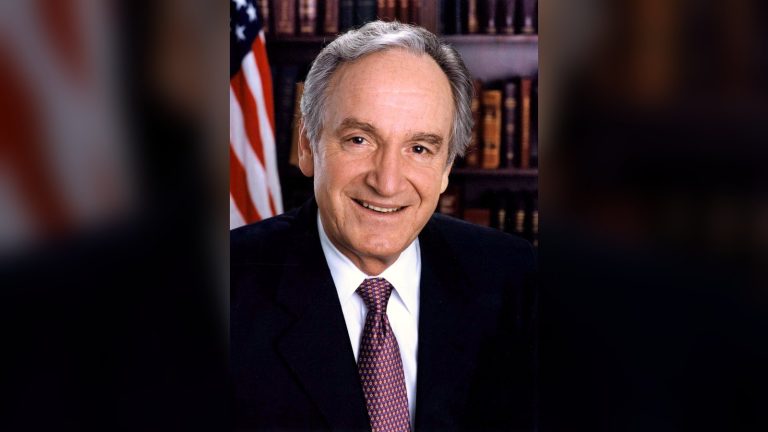

Hastert’s Earmark and Land Deal: The Prairie Parkway Story
In 2005, House Speaker Dennis Hastert (R-Ill.) secured $207 million in the federal highway bill for the Prairie Parkway in Kendall County, Illinois. In December 2005, a land trust he partly owned sold 138 acres of farmland more than five miles from the planned route. Hastert’s office put the distance at 5.5 miles. Hastert’s share of the proceeds was about $3.1 million, and reports put his profit at $1.5 million to $2 million. The parkway was never built. Federal approval was withdrawn in 2012, and the money was moved to other Illinois roads. Congress banned earmarks from 2011, then brought them back in 2021 as Community Project Funding in the House and Congressionally Directed Spending in the Senate. As of November 2026, members must post every request online and certify in writing that neither they nor their immediate family have a financial interest in the project.
What the 2006 post argued
“This is a great way to make some money.” That line opened a June 2006 blog post that first ran on Democracy Market and was then cross-posted on PorkBusters. The post asked readers to picture themselves as Dennis Hastert, then Speaker of the House.
The facts behind it, as Chicago-area and national outlets reported them at the time:
- Hastert and partners bought farmland near Plano, Illinois, west of Chicago, through a land trust. Sunlight Foundation researchers later named the trust as “Little Rock Trust #225.”
- In August 2005 the highway bill SAFETEA-LU became law. It included Hastert earmarks worth $207 million: $152 million for the Prairie Parkway and $55 million for a related interchange, according to NBC News.
- In December 2005 the trust sold 138 acres to a residential developer for about $4.9 million.
- Washington Monthly reported that 62.5 percent of the sale price, about $3.1 million, went to Hastert, and that his profit came to about 500 percent of what he put in. Other reports put the profit at $1.5 million to $1.8 million (the Chicago Tribune’s range) or about $2 million (Sunlight Foundation).
The post used $1.5 million for Hastert’s profit and rounded the earmark down to $200 million. The figures above are the ones reported more widely.
The Speaker’s defense
Hastert’s office said the land deal had nothing to do with the highway. Press secretary Ron Bonjean was quoted in the coverage the post relied on: “It’s too far away to have an effect.” He added, “The speaker has bought land like every American has a right to…. He is not benefiting from the parkway.” Bonjean said the land was about 5.5 miles from the proposed route.
Hastert spoke for himself too: “I owned land, and I sold it, like millions of people do everyday.” He denied backing the highway so he could profit from the land.
The blogger’s counter-argument
The post did not accept that defense. The blogger noted that people don’t want to live right next to a highway but do want to live near one. On that view, having a major expressway 5 miles away instead of 45 miles away makes land worth more.
As an example, the post pointed to Murrieta and Temecula, California. Land there more than 5 miles from Interstate 15 is still valuable because the freeway connects it to San Diego and Orange counties.
The author also allowed that Hastert would probably have sought the money even without owning the land, and might have bought the land even without the power to earmark. The post’s conclusion was that, either way, the arrangement was improper. That was the blogger’s opinion. Hastert’s office and his supporters rejected it.
A separate disclosure issue came up as well. NPR reported that Hastert’s 2005 financial disclosure listed the sale of a quarter share of 69 acres but did not name the trust or say where the land was.
What happened next
The parkway was never built
The Prairie Parkway was planned as a 37-mile road costing roughly $1 billion. Local citizen and environmental groups opposed it and sued over the federal environmental review. In August 2012 the Federal Highway Administration withdrew its approval. The Illinois Department of Transportation moved the federal money to work on Illinois 47 and US 34. According to the Daily Herald, about $51 million already set aside went to widening Route 47 south of Yorkville.
Hastert left Congress and was later convicted
Hastert served as Speaker from 1999 to 2007 and resigned from the House in November 2007. The land deal never led to charges.
In a separate case, he pleaded guilty in October 2015 to structuring bank withdrawals. The payments were meant to hide past sexual abuse of students from his years as a high school coach. On April 27, 2016, a federal judge sentenced him to 15 months in prison. He was released in July 2017.
Earmark rules changed, then earmarks stopped and returned
The controversy came during a wider debate over earmarks. Here is how the rules have changed since:
| Period | What happened |
|---|---|
| 2007 | New House rules and the Honest Leadership and Open Government Act required earmarks to carry a sponsor’s name. Members requesting earmarks also had to certify that they had no financial interest in them. In the House that covered the member and spouse. In the Senate it covered the senator and immediate family. |
| 2011 to 2021 | Congress stopped earmarking. House Republicans adopted a moratorium after the 2010 election, and both chambers kept the ban until 2021. |
| 2021 | House Appropriations Chair Rosa DeLauro (D-Conn.) brought earmarks back as Community Project Funding, starting with FY2022 bills. The Senate called them Congressionally Directed Spending. |
| FY2026 | Under the Consolidated Appropriations Act, 2026 (P.L. 119-75), the Agriculture bill carried 746 earmarks totaling $931 million. The transportation-housing (THUD) bill carried $2.4 billion, 14 percent less than in FY2024, according to the Congressional Research Service. |
| FY2027 | Each House member could submit up to 20 requests. The Defense, Financial Services, Legislative Branch, and National Security/State subcommittees accepted none. |
Under the current rules, members post their requests online. They must show the community supports the project and certify that neither they nor their immediate family have a financial interest in it. For-profit companies cannot receive the money, and total earmark funding is capped at no more than 1 percent of discretionary spending. Supporters say this lets elected members direct money to local needs openly. Critics, including groups that track requests such as the National Taxpayers Union Foundation, say earmarks still favor senior and well-placed members.
FY2027 funding is still unsettled. H.R. 6500, the stopgap bill signed on September 2, 2026, funds the government through December 11, 2026. Until full-year bills pass, no FY2027 earmarks can be paid out.
FAQ
How much money did Hastert make from the land sale?
Estimates range from about $1.5 million to about $2 million. The trust sold 138 acres for about $4.9 million in December 2005. Washington Monthly reported Hastert’s share of the sale at about $3.1 million, which works out to a profit of roughly 500 percent on his investment.
Was Hastert charged over the Prairie Parkway deal?
No. Hastert denied any link between the earmark and the land sale, and no charges were brought. His 2015 guilty plea and 2016 sentence came from a separate case about structuring bank withdrawals.
What happened to the $207 million earmark?
The Federal Highway Administration withdrew approval for the Prairie Parkway in August 2012. The Illinois Department of Transportation moved the remaining federal money to improvements on Illinois 47 and US 34.
Could a member of Congress do the same thing today?
The rules are stricter now. Members must certify that neither they nor their immediate family have a financial interest in any project they request, and every request is posted online. Breaking those rules is a matter for the House and Senate ethics committees.
What was PorkBusters?
From 2006 to 2010, PorkBusters was a campaign run by bloggers against congressional earmarks. It asked readers to look up spending in their districts and contact their members of Congress. It also published posts from allied blogs, including this one about Hastert.
Where can readers see current earmark requests?
House members post their Community Project Funding requests on their own websites. The House and Senate appropriations committees publish the earmark tables that go with each bill. The Congressional Research Service also tracks earmark totals bill by bill in its appropriations reports.
Sources
- Congressional Research Service, “Transportation, Housing and Urban Development, and Related Agencies (THUD) Appropriations for FY2026” (R48728), Congress.gov
- Congressional Research Service, “Agriculture and Related Agencies: FY2026 Appropriations” (R48564), Congress.gov
- Congressional Research Service, “Agriculture and Related Agencies: FY2027 Appropriations” (R49343), Congress.gov
- The White House, “Congressional Bill H.R. 6500 Signed into Law,” September 2026
- Federal Transit Administration, “Community Project Funding/Congressionally Directed Spending”
- U.S. Department of Housing and Urban Development, “Fiscal Year 2026 Economic Development Initiative / Community Project Funding Grants”
- NBC News, “Lawmakers’ profits come under scrutiny,” 2006
- Washington Monthly, “Hastert’s Bonanza,” October 2006
- Sunlight Foundation, “How We Did It,” June 2006
- NPR and WBEZ coverage of the Hastert land deal, June 2006
- Northern Public Radio (WNIJ), “Prairie Parkway funding is withdrawn,” August 2012
- U.S. Department of Justice statement after Hastert’s sentencing, April 2016
About this article
- Fact-checked before publication.
- Published · Updated