Pork Reduction: College Data, a Coast Casino, Congress and a Rail Earmark
The earmark fights in this 2006 roundup did not end with the PorkBusters campaign. Congress adopted a moratorium on earmarks covering FY2011 through FY2021, and in 2021 the House and Senate brought them back as Community Project Funding and Congressionally Directed Spending, respectively. They now come with caps, public request lists and a ban on for-profit recipients. As of November 2026, FY2027 earmarks sit in appropriations bills that have not been enacted, and the government runs on a stopgap through December 11, 2026.
What this page was
This post was a December 2006 roundup by the blogger Alasandra, shared with the PorkBusters campaign. Bloggers ran PorkBusters from 2006 to 2010 against congressional earmarks. The post covered four stories: college performance data, a proposed Choctaw casino on the Mississippi coast, a short House work year, and a fight over Gulf Coast rail money. Each section below keeps the 2006 account and adds what happened afterward.
Reveal colleges’ quality rankings
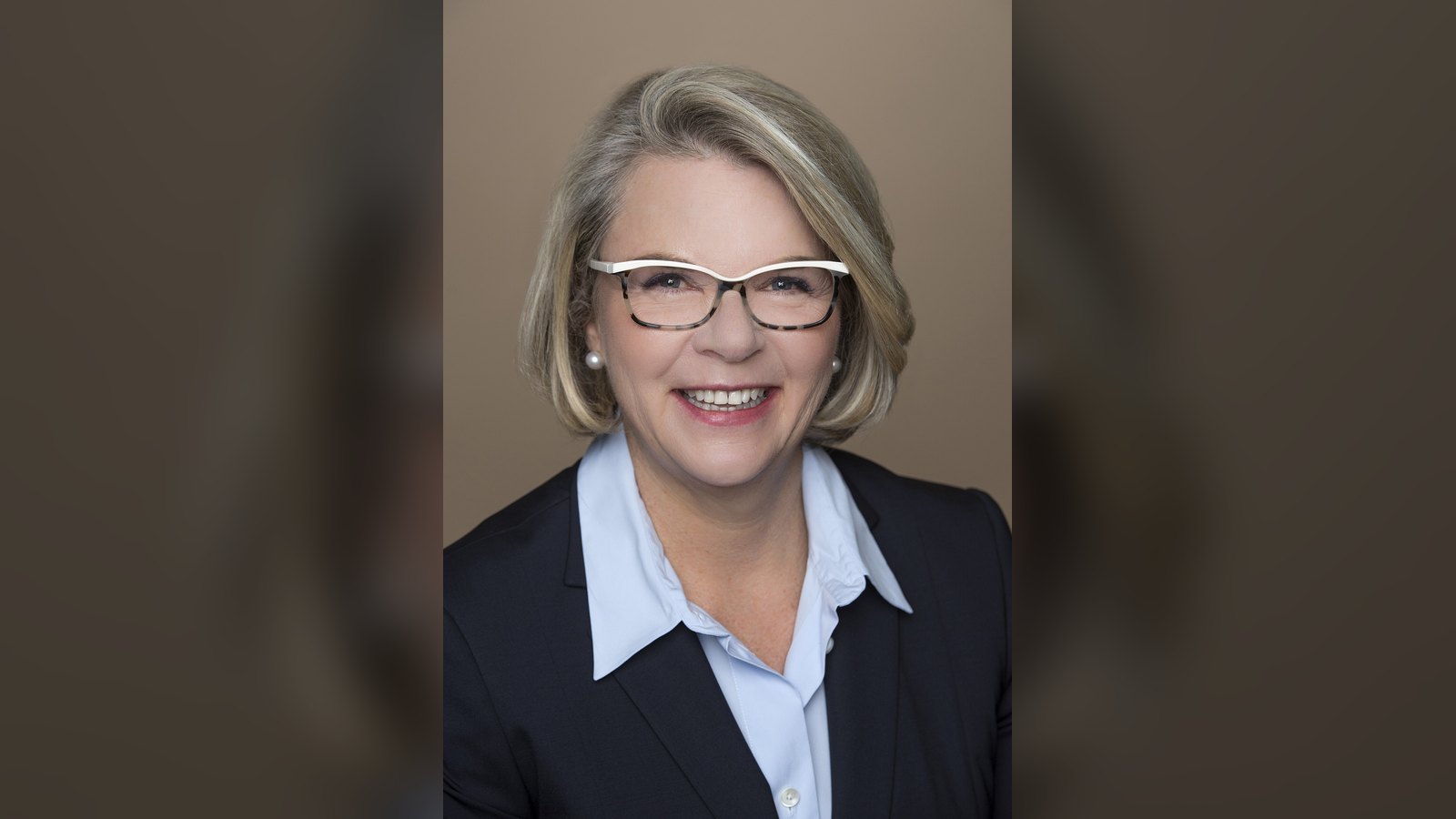
In 2006 the blogger argued that colleges should publish data on student progress and results, so families could judge value before paying tuition. The post pointed to a report released in September 2006 by the Commission on the Future of Higher Education, which Education Secretary Margaret Spellings had set up. The commission called for a national higher-education database that would let families compare colleges by how well they help students finish a degree.
The blogger wrote that, given what tuition costs, sharing this data “seems the least they could do.”
What happened next: The national student-level database was never built. The Higher Education Opportunity Act of 2008 barred the federal government from creating that kind of student unit record system. In 2015 the Education Department launched the College Scorecard, which publishes graduation rates, costs and earnings data from existing federal sources.
Biloxi hires a lawyer to fight a Choctaw casino
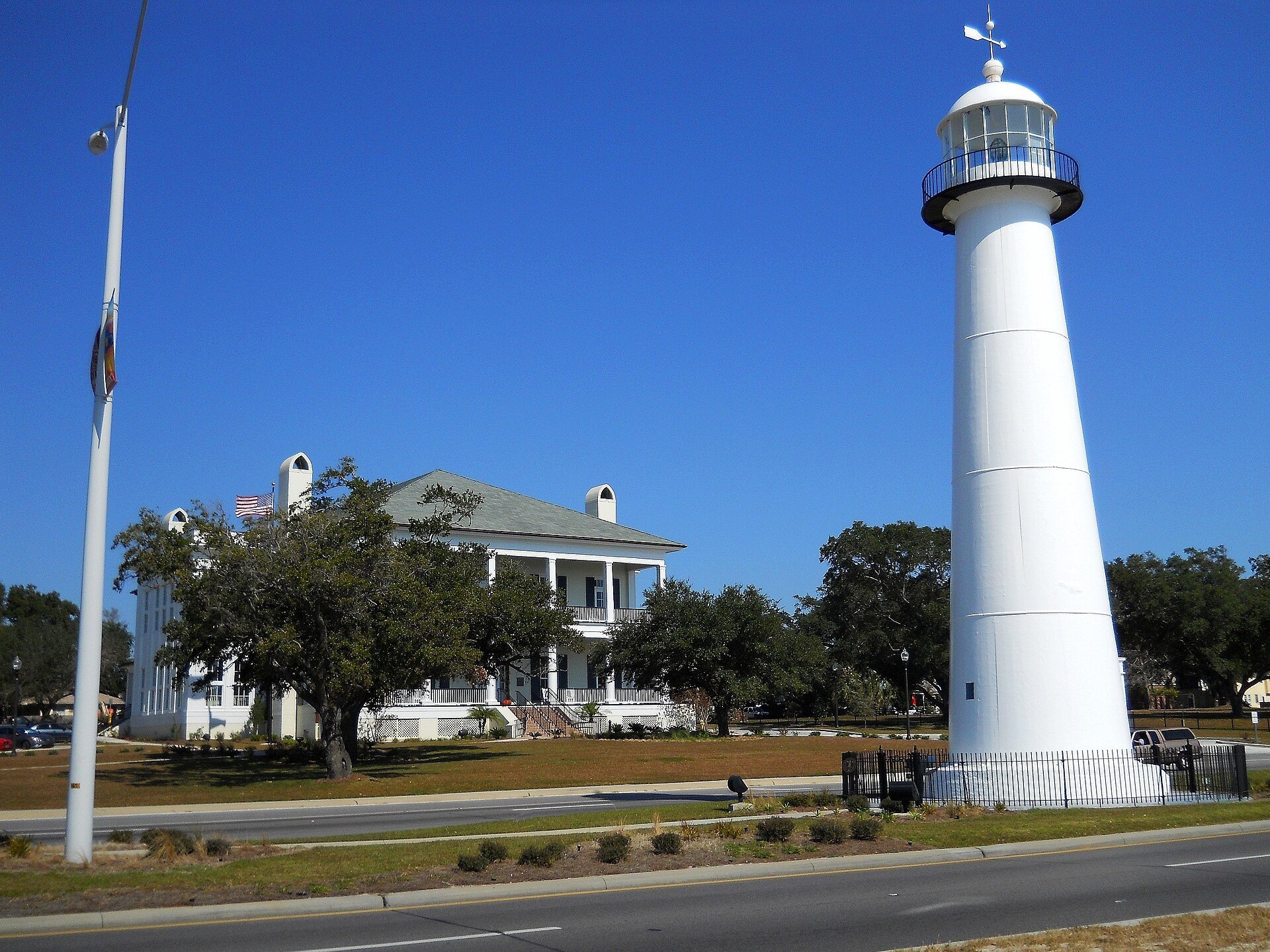
In December 2006 the Biloxi city council hired a lawyer to oppose an off-reservation casino planned by the Mississippi Band of Choctaw Indians in Jackson County, near Interstate 10. Local reports said the plan had led existing Biloxi casinos to put expansions on hold and made new casino companies hesitant to invest in the city.
Supporters of the Biloxi casinos pointed to two edges the tribal site would have. As a tribal operation it would not pay the state gaming taxes that commercial casinos pay. Its inland location near I-10 would also catch traffic from Florida and other eastern markets before it reached the coast, and it would not face the storm risks of building near the water.
Jackson County residents who owned land near the site told reporters they were holding off on building homes because they did not want a casino next door. Longtime homeowners worried about traffic and possible flooding. Gov. Haley Barbour (R) opposed the project throughout.
What happened next: The 2006 post expected the question to wait until November 2008. In fact Jackson County voted on it in a nonbinding referendum in November 2007. Just over 60 percent of voters, 18,435 people, voted against a tribal casino in the county. The tribe’s chief had said the tribe would not pursue the casino if voters said no. Barbour had said he would use his powers to block it even if voters said yes.
Congress raised its pay and left spending bills unfinished
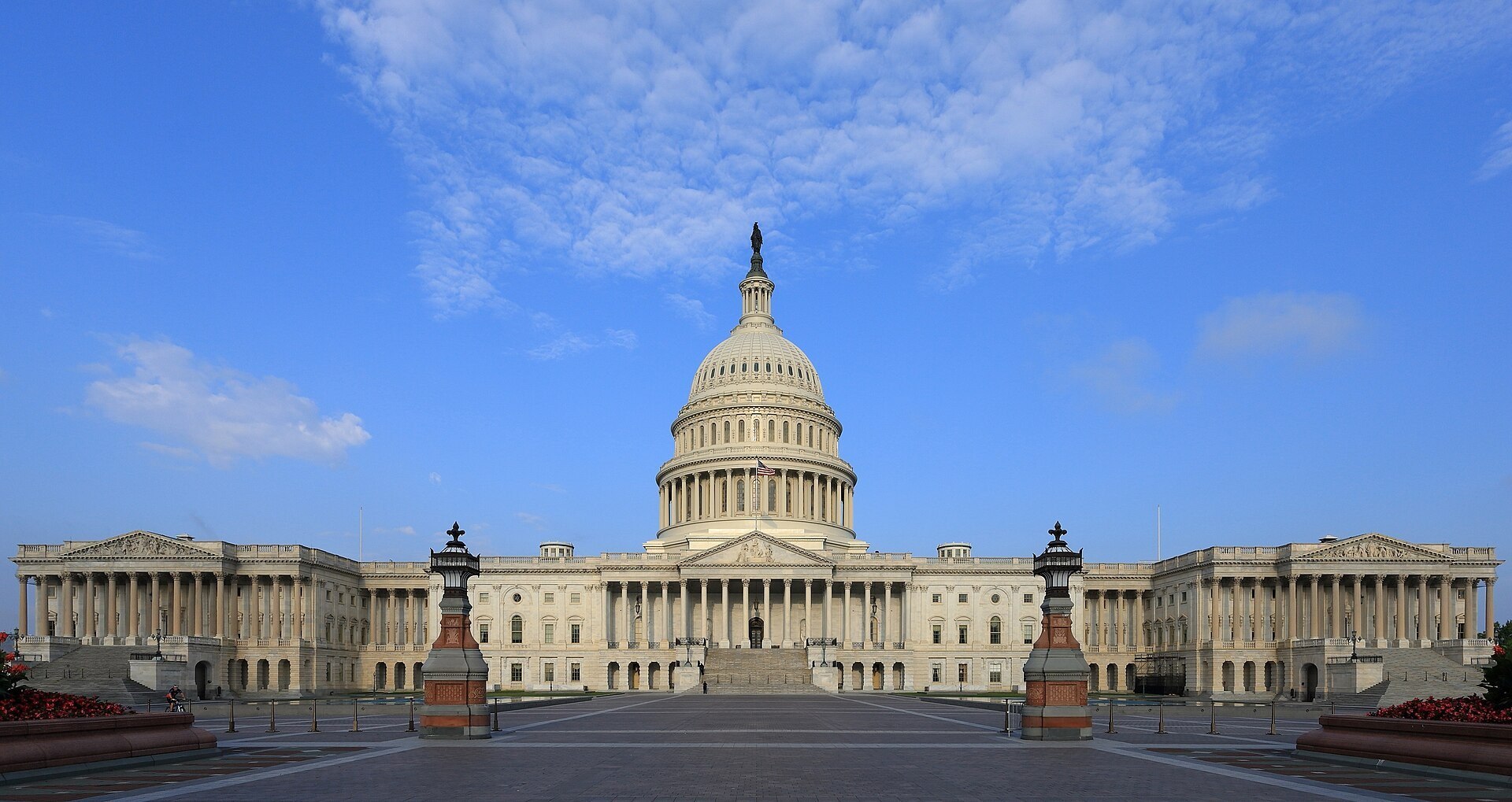
In late 2006 the outgoing 109th Congress, with Republican majorities in both chambers, adjourned without passing most of the year’s spending bills. Critics at the time noted that lawmakers’ automatic pay raise for 2007 was still set to take effect. The blogger’s comment was that it “must be nice” to set your own salary and your own schedule.
The report quoted in the post said the House would end the year having met in session only 86 days. It counted 22 days when members did not need to arrive until 6:30 p.m. for mostly ceremonial votes, which one member called “bed-check” votes. Year-end counts from December 2006 differed on the exact number, and one tally put it at about 101 legislative days. Every count agreed that the House met fewer days than in 1948, the year of the “do-nothing” Congress, when it sat 108 days.
Rep. Jim Cooper (D-Tenn.), a member of the House Budget Committee, was quoted at the time: “Meeting for fewer days than any time since at least 1947 is no way to run a superpower. If you don’t work at all, it should be no surprise that you’re not going to get any work done… We’ve clearly failed at getting the public’s business done.”
The same report said Congress put off Social Security, tax reform and comprehensive immigration legislation. The blogger asked whether ordinary workers would like three-day weeks and weeklong breaks around Presidents Day and St. Patrick’s Day.
How the 2006 spending standoff ended
- Bills enacted in 2006: Only two of the FY2007 appropriations bills, Defense and Homeland Security, became law before adjournment. The other agencies ran on continuing resolutions.
- The full-year fix: The new Congress passed H.J.Res. 20, a full-year continuing resolution, by 286 to 140 in the House and 81 to 15 in the Senate. It became Public Law 110-5 on February 15, 2007. It was also widely reported as largely free of new earmarks.
- The pay raise: The automatic increase had gone ahead in June 2006 when the House voted 263 to 152 against a move by Rep. Jim Matheson (D-Utah) to force an up-or-down vote on it. Earlier stopgap laws delayed the raise, and the February 2007 law then blocked it, keeping member pay at $165,200 for 2007. Rank-and-file member pay has been frozen at $174,000 since 2009.
Gulf Coast homeowners and the CSX rail line
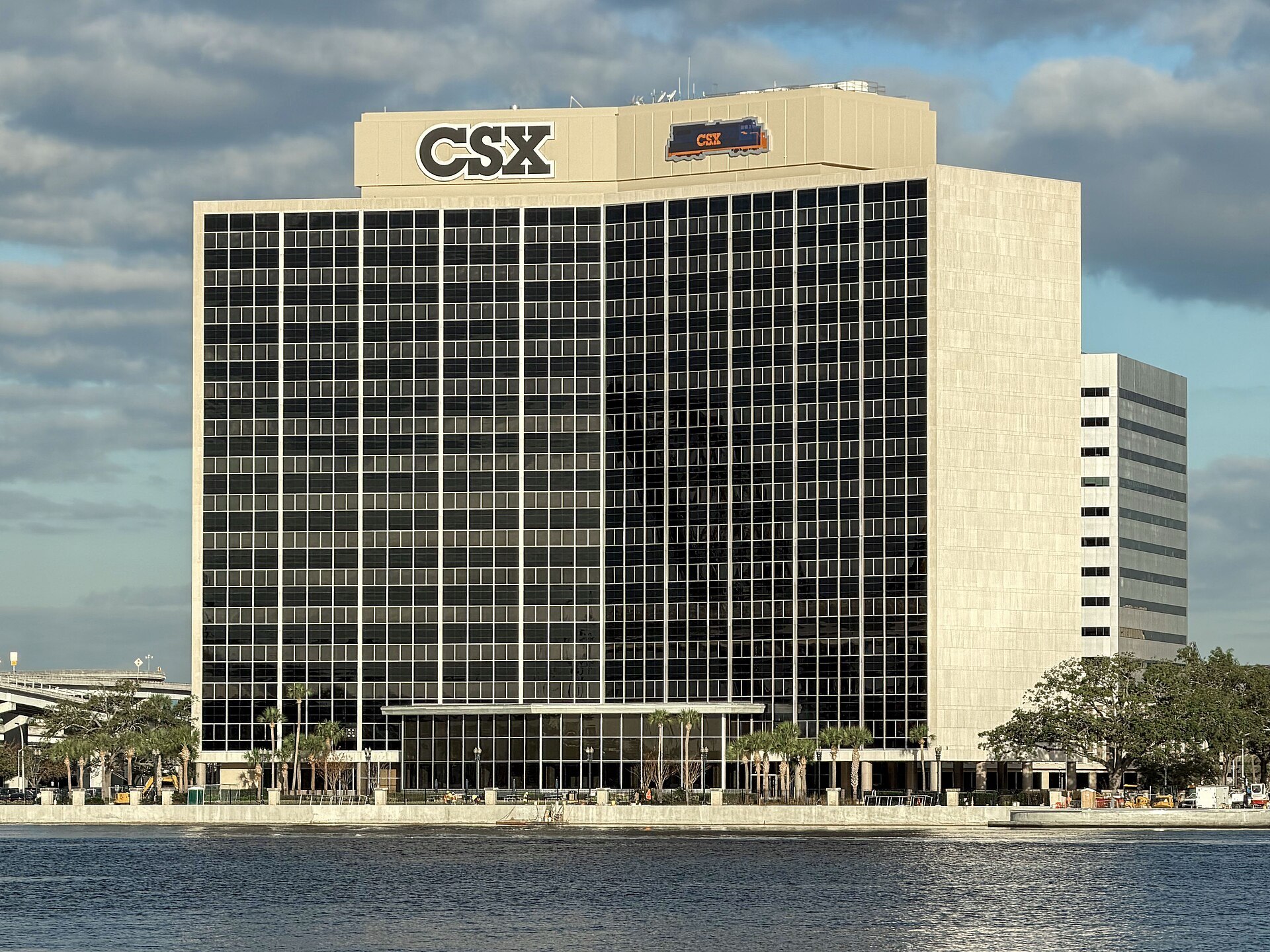
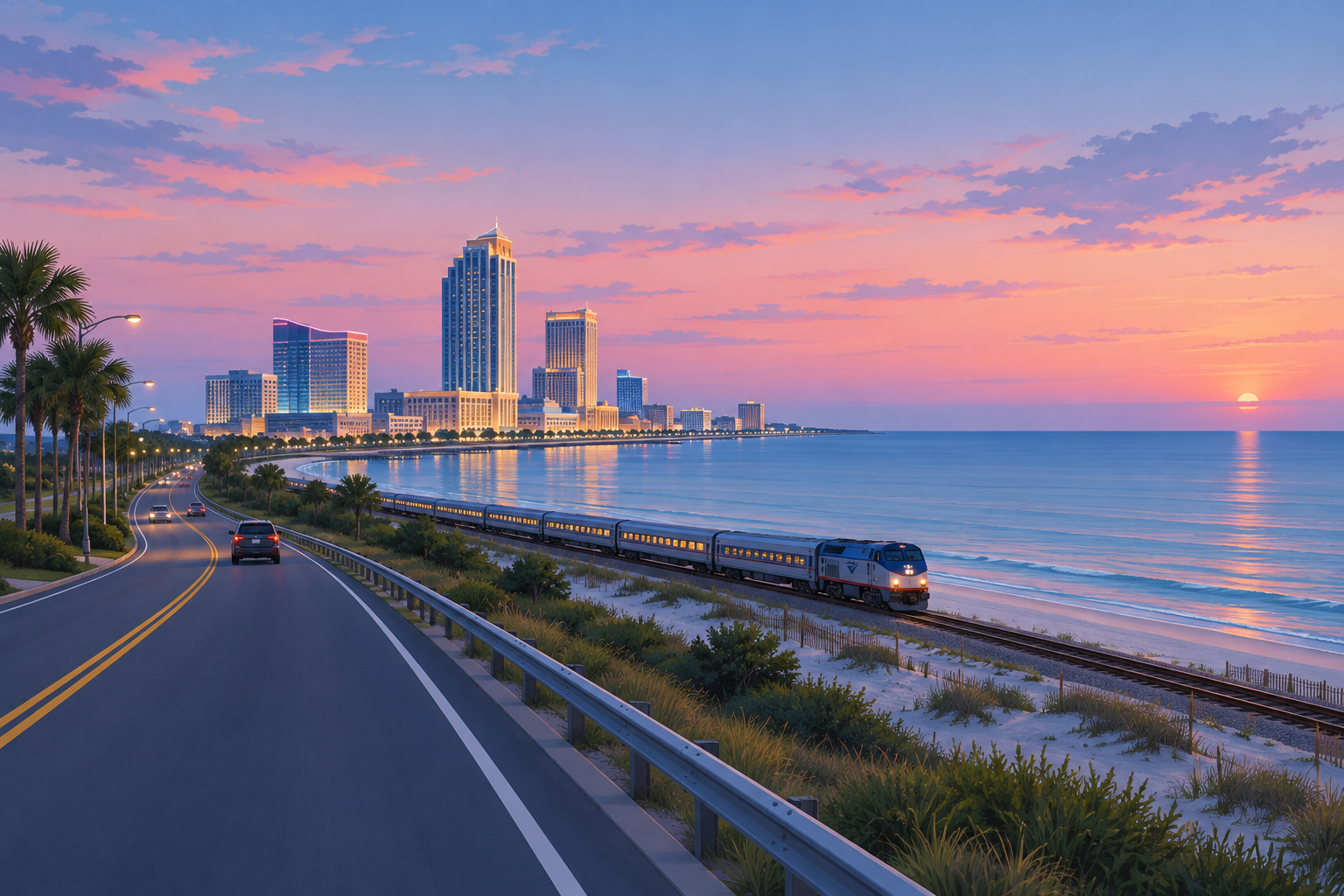
The post’s last story was about rail money after Hurricane Katrina. The Southern Rapid Rail Transit Commission, with members from Alabama, Mississippi and Louisiana, was pressing Amtrak for a detailed plan to restore passenger rail along the coast. It wanted $22 million in federal funding, plus matching money from the three states, to bring back service.
The blogger compared that request with the $700 million that Gov. Haley Barbour (R) and Sen. Trent Lott (R-Miss.) had sought from Congress to move the CSX freight line out of Mississippi’s three coastal counties and build a new highway on the old rail bed. Supporters said it would speed recovery and clear a dangerous barrier through coastal towns. Critics, including taxpayer groups, called it a “railroad to nowhere,” and the blogger said it stood in the way of bringing back Amtrak’s Sunset Limited. Some homeowners along the planned new route feared losing their property to the relocated line. The post ended by hoping PorkBusters was “still on the job.”
What happened next: The $700 million was dropped from the final 2006 hurricane relief bill. Mississippi officials said they hoped to find the money elsewhere, and later state estimates put the cost of rerouting the CSX line above $1.8 billion. Freight trains still run on the coastal line, and the Sunset Limited has not run east of New Orleans since Katrina. The commission, now called the Southern Rail Commission, kept pushing for passenger service. Amtrak’s Mardi Gras Service between New Orleans and Mobile started on August 18, 2025, with stops in Bay St. Louis, Gulfport, Biloxi and Pascagoula. Amtrak said the route reached about 150,000 riders by its first anniversary in August 2026, far above the original forecast of 60,000 for the first full year.
How earmarks work in November 2026
Earmarks are back under stricter rules than in 2006. House Republicans put a moratorium on them for the 112th Congress starting in 2011, and the Senate followed. In 2021 both chambers brought them back for FY2022 under new names and rules.
- Requests: Members submit project requests to the appropriations committees. For FY2027, the House Appropriations Committee allowed each member up to 20 requests across all bills, up from 15 the year before.
- Disclosure: Members must post their requests online and certify that they and their families have no financial interest in the projects. For-profit companies cannot receive the money.
- Caps: Under the committee’s FY2027 guidance, House Community Project Funding cannot exceed 0.5 percent of discretionary spending. The Senate cap for Congressionally Directed Spending is 1 percent.
- Excluded bills: For FY2027 the House accepted no requests in the Defense, Financial Services and General Government, Legislative Branch, and National Security/State bills.
- Enactment: Projects only receive money once the bills carrying them become law, and the Government Accountability Office reviews how the funds are spent.
The House Appropriations Committee reported all 12 FY2027 bills, and the House passed three, but none became law before the fiscal year started. The Continuing Appropriations and Extensions Act, 2027 (H.R. 6500) became Public Law 119-103 on September 2, 2026, after passing the Senate 90 to 6 and the House 370 to 48. It funds the government through December 11, 2026. Continuing resolutions generally carry no new earmarks, so FY2027 projects depend on Congress passing the full-year bills.
FAQ
Are earmarks still banned in Congress?
No. Congress stopped earmarking in 2011 and brought it back in 2021 for FY2022. The House calls them Community Project Funding and the Senate calls them Congressionally Directed Spending. Both chambers require public disclosure and bar for-profit recipients.
What was PorkBusters?
PorkBusters was a campaign run by bloggers from 2006 to 2010 against congressional earmarks. Its organizers asked readers to identify spending they considered wasteful and to contact their members of Congress, including after Hurricane Katrina, when they pushed lawmakers to cut earmarks to offset relief costs. The campaign ended about the time Congress adopted its earmark moratorium.
Did the Mississippi coast casino or the $700 million rail relocation ever happen?
Neither happened as proposed. Jackson County voters rejected a tribal casino in November 2007 by just over 60 percent. The $700 million CSX relocation money was dropped from the 2006 hurricane relief bill, and freight trains still use the coastal line.
Is there passenger rail on the Gulf Coast now?
Yes. Amtrak’s Mardi Gras Service has run between New Orleans and Mobile since August 18, 2025, with four Mississippi stops. Amtrak reported about 150,000 riders in its first year. The Sunset Limited still does not run east of New Orleans.
How much do members of Congress earn, and did the 2006 pay raise happen?
The automatic raise set for 2007 was first delayed by stopgap laws and then blocked by the full-year continuing resolution signed on February 15, 2007, which kept pay at $165,200. Rank-and-file members have earned $174,000 a year since 2009, because Congress has blocked every automatic adjustment since then.
When will FY2027 earmarks be funded?
Only when Congress enacts the regular FY2027 appropriations bills that carry them. Current stopgap funding runs out on December 11, 2026. Congress must then pass the bills, pass another continuing resolution, or face a funding gap once the stopgap expires.
Sources
- Congress.gov: H.R. 6500, Continuing Appropriations and Extensions Act, 2027
- Congressional Research Service: Overview of Continuing Appropriations for FY2027 (R49353)
- Congress.gov: Appropriations Status Table, FY2027
- GovInfo: Public Law 110-5
- NADO: The FY27 appropriations process and Community Project Funding
- Indianz.com: City hires lawyer to fight Mississippi Choctaw casino
- Indianz.com: Mississippi Choctaws must heed vote
- NBC News: Mississippi senators’ rail plan challenged
- WLOX: One year later, Amtrak Mardi Gras line draws 150,000 riders
- Sunlight Foundation: Days in Session, House
About this article
- Fact-checked before publication.
- Published · Updated