
Support Grows for the Federal Funding Accountability and Transparency Act as It Goes to Senate Committee
The Coburn-Obama bill described below became law. President George W. Bush signed S. 2590, the Federal Funding Accountability and Transparency Act (FFATA), on September 26, 2006, as Public Law 109-282. The final version covered both grants and contracts. The Office of Management and Budget (OMB) launched USAspending.gov in December 2007, the DATA Act of 2014 widened what agencies must report, and the Treasury Department now runs the site.
The earmarks that PorkBusters targeted followed a separate path. Congress banned them in 2011 and brought them back for fiscal 2022. In the House they are now called Community Project Funding, and in the Senate, Congressionally Directed Spending. Each request is posted online under the sponsoring member’s name, for-profit companies cannot receive the money, and House guidance caps the total at 0.5 percent of discretionary spending. As of November 2026, the fiscal 2027 bills that will carry this year’s earmarks have not been enacted. A stopgap law, H.R. 6500, keeps the government funded through December 11, 2026.
The Senate markup in July 2006
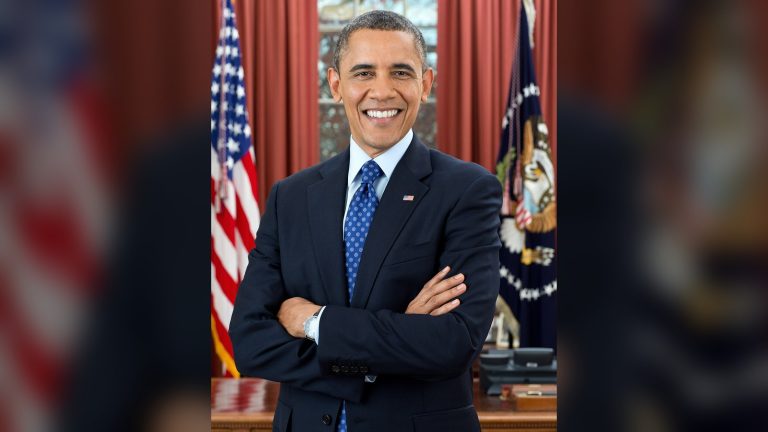
This post was first published in July 2006. On that day, members of the Senate Homeland Security and Governmental Affairs Committee were scheduled to mark up S. 2590. The bill required OMB to build a public, searchable database of federal spending. Sen. Tom Coburn (R-OK) had introduced it on April 6, 2006, and Sen. Barack Obama (D-IL) was its lead Democratic cosponsor.
The list of cosponsors was growing. It included:
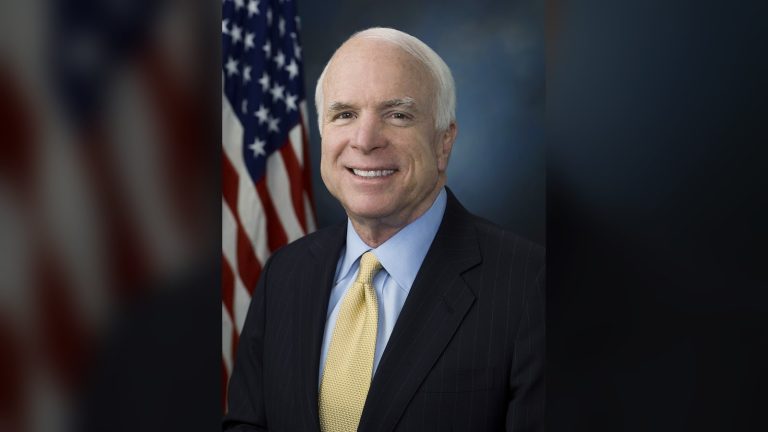
- Sen. John McCain (R-AZ)
- Sen. Tom Carper (D-DE)
- Sen. Hillary Clinton (D-NY)
- Sen. Rick Santorum (R-PA)
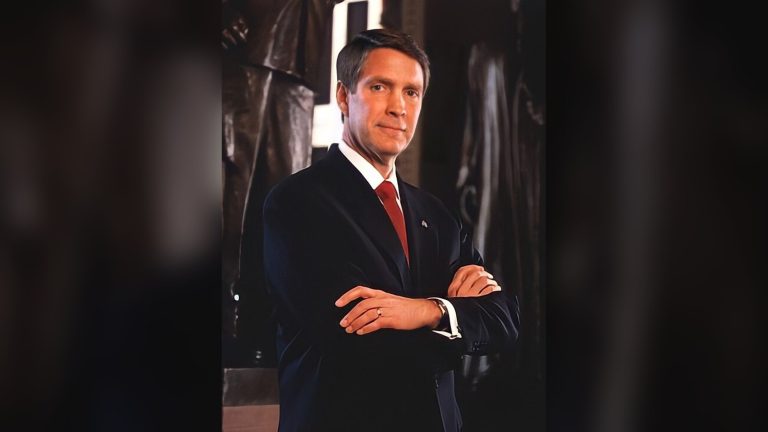
- Senate Majority Leader Bill Frist (R-TN)
Committee Chair Susan Collins (R-ME) also backed the bill. The week before, she had told supporters she would hold a quick markup and report the bill to the Senate floor soon after. Supporters hoped to pass the Senate version by unanimous consent, so that no single senator would object.
National Review endorses the bill
On the day of the markup, National Review endorsed the bill, joining a number of major daily newspapers that already supported it. The magazine’s editors wrote that “for the first time, it would shed some light on which companies and organizations are receiving federal money, and how much they are getting. A tool like this is a dream come true for budget hawks.” They also cited Louis Brandeis’s line that “sunlight is the best disinfectant,” and they applied it to the federal budget.
The editors argued that many taxpayers “would be surprised and disturbed to learn how much of their money drifts quietly away to various questionable causes.” Their examples included Planned Parenthood, the Sierra Club and the “Alaskan bridges to nowhere.” In their view, making the data public, especially to bloggers, “would encourage reform.” Those were the magazine’s opinions, and the groups it named did not share them. The full NR editorial was linked here in the original post.
The House dispute over contracts
The main obstacle to final passage in 2006 seemed to be easing. The House version was backed mainly by House Majority Whip Roy Blunt (R-MO) and House Government Reform Committee Chairman Tom Davis (R-VA). It covered federal grants but not federal contracts.
At first, Davis firmly opposed adding contracts. He argued that most contracts were competitively bid and so needed less public review. His Northern Virginia district was home to many federal employees and contractors. By late July, Congressional Quarterly reported that he was open to a compromise with the Senate:
“Davis said he has softened his opposition to including contracts and does not expect that conference negotiations, should it come to that, would be difficult. ‘It’s technically harder to do, but I’m not opposed to it,’ Davis said.”
CQ added that Davis had faced the most criticism for leaving contracts out, because his district received so many of them. According to Gary Bass of OMB Watch, Virginia’s 11th District ranked 17th among House districts in federal contracts received in fiscal 2004 and 2005. Blunt’s district ranked fairly low in both contracts and grants.
What happened after the markup
Back then, observers expected that a Senate-House conference would not meet until after the August recess. In the end, no conference was needed.
- The committee approved S. 2590 in July 2006.
- In early September 2006, the full Senate passed an amended version by unanimous consent.
- The House passed the Senate bill by voice vote a week later. That meant the final law included contracts.
- President Bush signed it on September 26, 2006, as Public Law 109-282.
- The law required OMB to have the website running by January 1, 2008. Subaward data, meaning money passed from the first recipient to other organizations, was to be added later.
- OMB launched USAspending.gov in December 2007.
- The Digital Accountability and Transparency Act (DATA Act), signed on May 9, 2014, set common data standards and expanded what agencies must report. Earlier in 2014, OMB had moved the site from the General Services Administration to the Treasury Department, where the Bureau of the Fiscal Service still runs it.
The quality of the data has been checked many times since. In a November 2021 report, GAO-22-104702, the Government Accountability Office (GAO) found that data on selected USAspending.gov pages largely matched what agencies had certified. GAO also made recommendations to OMB and Treasury.
Several people in this story went on to bigger roles. Obama was elected president in 2008, McCain was the Republican nominee that year, and Clinton became secretary of state. Coburn kept pressing for spending disclosure until he left the Senate in January 2015. He died in 2020.
Where earmarks stand in November 2026
Earmarks are back. They now come with disclosure rules, though critics say the rules do not go far enough. House Republicans adopted a moratorium in 2011, and the Senate effectively followed. Congress brought earmarks back for fiscal 2022 under new names: Community Project Funding in the House and Congressionally Directed Spending in the Senate.
Under the current rules:
- Members post their requests online and certify that they have no financial interest in the projects.
- Money can go to state and local governments and eligible nonprofits. For-profit companies are not eligible.
- House guidance caps total earmarks at 0.5 percent of discretionary spending.
- For fiscal 2027, each House member could submit up to 20 requests, up from 15 in fiscal 2026. Four House subcommittees accepted none: Defense; Financial Services and General Government; Legislative Branch; and National Security and State.
Fiscal 2026 shows the scale of the program. According to the Congressional Research Service (CRS), the enacted Agriculture bill alone carried 746 earmarks worth about $931 million. The Commerce, Justice, Science portion included about $939 million in earmarks for the Justice Department. The fiscal 2027 bills are still pending. That includes the House-passed Agriculture bill, which has Community Project Funding in five USDA accounts. Until Congress finishes those bills, this year’s earmarks remain requests, not funded projects.
Filed under: PorkBusters, earmarks, Tom Coburn, Congress, government transparency, Barack Obama, John McCain, Hillary Clinton.
The original post appeared at Tapscott’s Copy Desk, a blog run by journalist Mark Tapscott.
FAQ
Did the Coburn-Obama transparency bill become law?
Yes. S. 2590 passed both chambers in September 2006 without a recorded roll-call vote. President George W. Bush signed it on September 26, 2006, as Public Law 109-282, the Federal Funding Accountability and Transparency Act of 2006.
What website did the law create?
It created USAspending.gov, which OMB launched in December 2007. Today the Treasury Department’s Bureau of the Fiscal Service runs it, and the site covers contracts, grants, loans and other federal awards using the standards set by the 2014 DATA Act.
Did the final law include federal contracts?
Yes. The House version backed by Reps. Roy Blunt and Tom Davis covered only grants. In the end, the House passed the Senate bill, which covered both grants and contracts.
Are earmarks still banned?
No. The moratorium ran from 2011 until Congress brought earmarks back for fiscal 2022. In the House they are called Community Project Funding, and in the Senate, Congressionally Directed Spending. Each one is publicly tied to the member who requested it.
How do you find earmarks for your state or district?
The House and Senate Appropriations Committees publish tables of requested and funded projects with each bill. Many members also post their requests on their own websites. Once an agency awards the money, the award usually shows up on USAspending.gov.
What was PorkBusters?
PorkBusters was a campaign run by bloggers from 2006 to 2010 against congressional earmarks. It encouraged readers to contact their lawmakers about specific spending items and to support bills such as FFATA. The campaign is no longer active.
Sources
- Public Law 109-282, Federal Funding Accountability and Transparency Act of 2006 (Congress.gov)
- CRS: The Federal Funding Accountability and Transparency Act: Background, Overview, and Implementation Issues
- CRS: The Federal Funding Accountability and Transparency Act: Implementation and Proposed Amendments
- GAO-22-104702: Federal Spending Transparency
- Treasury: About the DATA Act
- CRS: Agriculture and Related Agencies: FY2026 Appropriations
- CRS: Agriculture and Related Agencies: FY2027 Appropriations
- CRS: Overview of Continuing Appropriations for FY2027
About this article
- Fact-checked before publication.
- Published · Updated