Claire McCaskill on the Earmark Reform Index
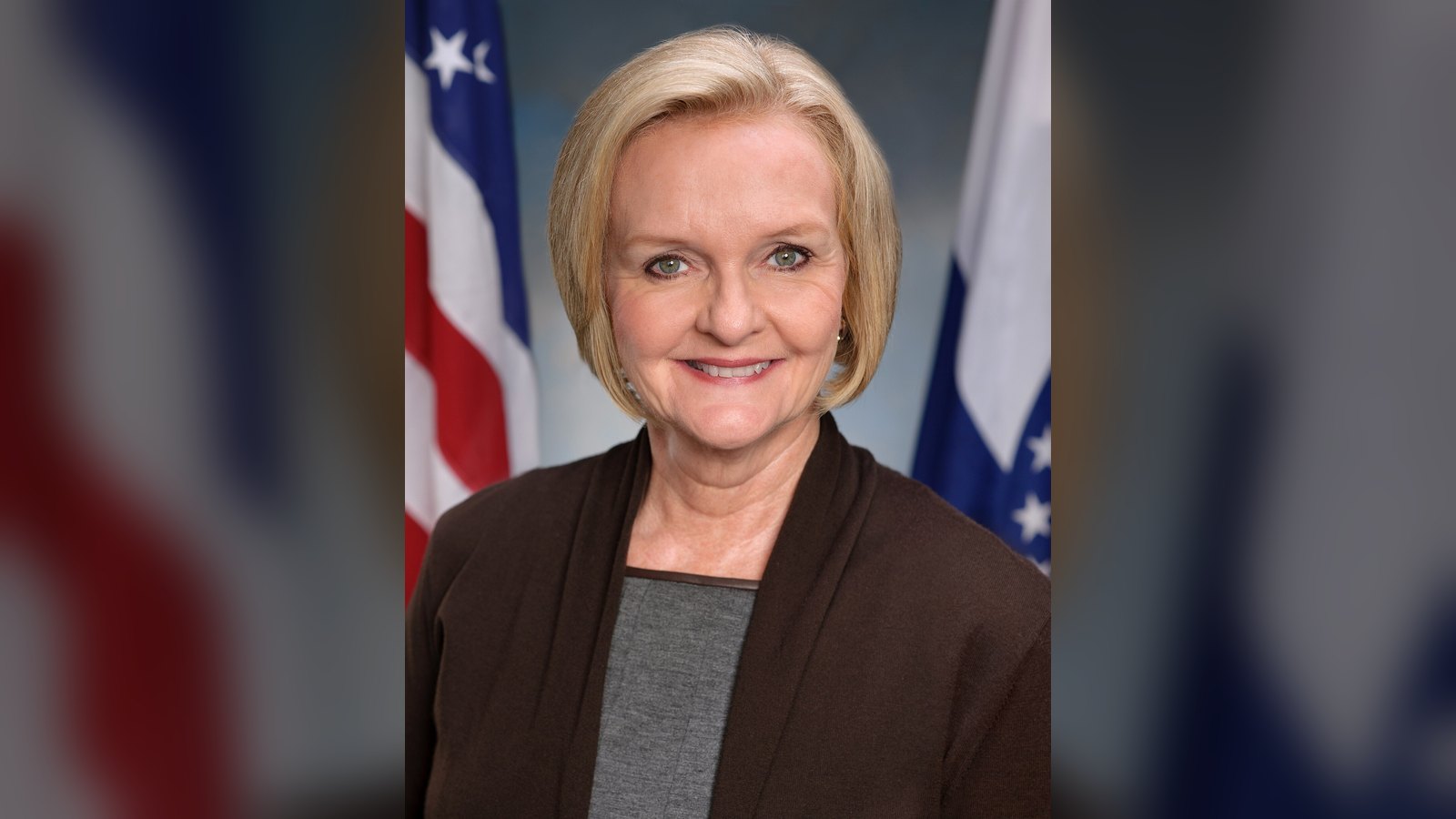
Claire McCaskill (D-Mo.) went on to become one of the Senate’s best-known opponents of earmarks. She did not request them, and she co-sponsored bans in 2008, 2010, 2011 and 2018. Congress stopped earmarking in 2011. The practice came back for fiscal year 2022 as Community Project Funding in the House and Congressionally Directed Spending in the Senate. As of November 2026, FY2027 earmarks have been requested and posted online, but none are funded yet: the government is running on a continuing resolution that expires December 11, 2026.
What the Earmark Reform Index was
The Earmark Reform Index was a 2007 scorecard from The Examiner newspapers and PorkBusters.org. It graded every US senator from 0 to 100 on how they voted on earmark reform. PorkBusters was a campaign run by bloggers against congressional earmarks, active from about 2006 to 2010.
How the scoring worked
The index used 12 Senate votes it called “key earmark reform opportunities”:
- Three votes from 2005, two from 2006 and seven from 2007.
- Each vote for reform was worth about 8.3 points. A vote against reform earned zero.
- Twelve pro-reform votes added up to a perfect 100.
Two Republicans, John Sununu of New Hampshire and Tom Coburn of Oklahoma, shared the top score of 100. Commentary tied to the Examiner said about two-thirds of senators opposed reforming what it called their appropriations perks. That was the organizers’ description, not a neutral measure.
Where Missouri’s senators landed
The Riverfront Times reported the Missouri scores below. Its write-up called the 12 votes “House votes,” which was a mistake. Every vote in the index was a Senate vote.
| Senator | Party | Index score | Reported rank |
|---|---|---|---|
| Kit Bond | Republican | 8.33 | Tied for second-worst |
| Claire McCaskill | Democrat | 16.6 | Tied for third-worst |
| Jim Talent (former senator) | Republican | 25 | Best among Missouri senators listed |
Why McCaskill’s score was disputed
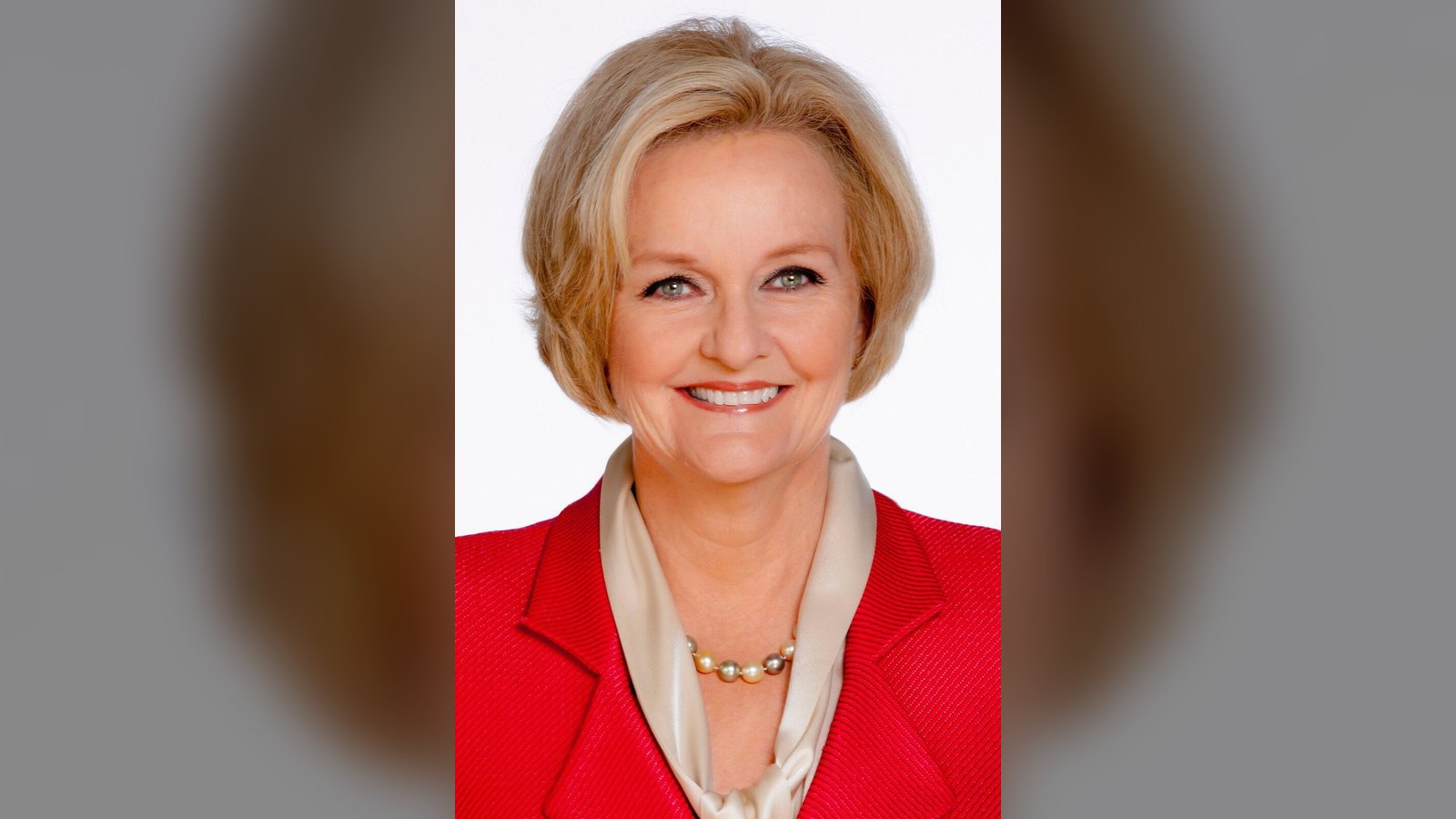
McCaskill’s low score came mostly from votes taken before she was in the Senate. She was sworn in in January 2007, after beating Talent in 2006. Five of the 12 votes were from 2005 and 2006.
The Missouri blog MissouriPulse.com reported that PorkBusters had miscalculated her score. The Show-Me Institute, a Missouri think tank, then wrote that the index had counted those five pre-election votes against her. Scored only on the votes she could actually have cast, her rating would have been much higher than 16.6. Treat the original 16.6 as a flawed number from 2007, not a measure of her record.
McCaskill’s record on earmarks after the index
From 2007 until she left the Senate, McCaskill’s office said she had never requested an earmark. She worked with Republicans on several attempts to ban them. None became law, but each round drew more votes.
| Date | Measure | Co-sponsors and allies | Result |
|---|---|---|---|
| March 13, 2008 | DeMint amendment to the FY2009 budget resolution: a one-year earmark moratorium | Jim DeMint (R-S.C.), John McCain (R-Ariz.), Barack Obama (D-Ill.), Hillary Clinton (D-N.Y.), McCaskill | Failed 29-71 on a point of order (60 votes needed) |
| November 30, 2010 | Coburn-McCaskill amendment to the food safety bill: a moratorium for FY2011 to FY2013 | Tom Coburn (R-Okla.), McCaskill | Failed 39-56 (67 votes needed to suspend the rules) |
| November 2011 | Earmark Elimination Act: a two-thirds vote would be needed to approve an earmark | Pat Toomey (R-Pa.), McCaskill | Not enacted |
| January 2018 | Bipartisan bill to make the earmark moratorium permanent | Joni Ernst (R-Iowa), McCaskill and others | Not enacted |
In the 2010 vote, seven Democrats joined most Republicans in voting for the ban. Forty-six Democrats, eight Republicans and two independents voted against it. After the vote, Coburn said he would keep offering the amendment. McCaskill said she hoped to try again in the next Congress.
McCaskill lost her 2018 race to Josh Hawley (R) and left the Senate in January 2019. That was two years before earmarks came back.
What happened to earmarks next
Earmarks stopped in 2011 and came back in 2021 with new rules. The stop was never written into law. It was a set of House and Senate party rules and committee policies.
The 2011 to 2021 moratorium
House Republicans adopted an earmark ban when they took the majority in 2011. Senate Appropriations Chairman Daniel Inouye (D-Hawaii) announced in February 2011 that the committee would not fund earmarks. Both chambers then went a decade without them, though lawmakers still pushed agencies through letters and report language.
The 2021 return
For FY2022, House Appropriations Chair Rosa DeLauro (D-Conn.) and Senate Appropriations Chair Patrick Leahy (D-Vt.) brought earmarks back under new names and new limits. Republicans in both chambers have kept the system going since then.
How the system works in FY2027
These are the rules each chamber’s appropriations committee published for FY2027:
| Rule | House: Community Project Funding | Senate: Congressionally Directed Spending |
|---|---|---|
| Overall cap | 0.5% of discretionary spending | 1% of discretionary spending |
| Requests per member | Up to 20, across all bills | Limited for certain subcommittees and accounts |
| Who can receive funds | State, local and tribal governments and eligible nonprofits; no for-profits | No for-profit entities |
| Disclosure | Requests posted on each member’s website | Requests and financial certification posted online |
| Conflict-of-interest check | Members certify they have no financial interest | Certification under Senate Rule XLIV covering the senator and immediate family |
| Oversight | Committee review of each request | GAO audits a sample of enacted items |
Some lawmakers in both parties still refuse to request earmarks. Missouri’s two Republican senators, Hawley and Eric Schmitt, do not request Congressionally Directed Spending. Local reporting in 2025 found that Missouri got noticeably less earmark money as a result.
Where the money stands in November 2026
FY2026 earmarks were funded through the Consolidated Appropriations Act, 2026 (Public Law 119-75). The Congressional Research Service counted 746 earmarks worth $931 million in the agriculture portion alone.
FY2027 earmarks have no money yet. On September 2, 2026, the President signed H.R. 6500, which became Public Law 119-103. It keeps the government funded at FY2026 levels through December 11, 2026. The Senate passed it 90-6 and the House 370-48. A stopgap like this does not fund new earmarks. A full-year continuing resolution would leave FY2027 member projects unfunded unless Congress wrote in exceptions. In the Senate, Appropriations Chair Susan Collins (R-Maine) and Vice Chair Patty Murray (D-Wash.) had not agreed on overall spending levels as of fall 2026.
The takeaway
The 2007 index is a useful warning about scorecards. A senator can be graded on votes she never had the chance to cast. To check any lawmaker’s earmark record today, look at three primary sources: their posted requests for the current year, the project tables in the enacted spending laws, and the roll-call votes on Congress.gov.
FAQ
What score did Claire McCaskill get on the Earmark Reform Index?
The 2007 index gave her 16.6 out of 100. The Riverfront Times reported that as tied for third-worst in the Senate. Critics, including MissouriPulse.com and the Show-Me Institute, said the score counted five votes from 2005 and 2006, before she took office in January 2007.
Did Claire McCaskill request earmarks?
No. Her office said she never requested one during her time in the Senate, from 2007 to early 2019. She co-sponsored the earmark moratorium attempts in 2008 and 2010, the 2011 Earmark Elimination Act with Pat Toomey and the 2018 permanent-ban bill with Joni Ernst.
Who ran PorkBusters?
PorkBusters was a campaign by bloggers against congressional earmarks, active from about 2006 to 2010. It encouraged readers to contact their members of Congress and to report earmarks, and it published the Earmark Reform Index with The Examiner newspapers in 2007. The campaign ended years ago.
Are earmarks banned now?
No. They were stopped from 2011 to 2021 by party rules and committee policy, not by law. Since FY2022 they have been allowed as Community Project Funding in the House (capped at 0.5% of discretionary spending for FY2027) and Congressionally Directed Spending in the Senate (capped at 1%).
How can I see what my members of Congress requested?
Both chambers require members to post their requests on their official websites. The posts list the recipient, the purpose, the location and the amount. Funded projects also appear in the tables that come with each enacted spending bill, and the money can be traced on USAspending.gov once agencies pay it out.
Will FY2027 earmarks be funded?
Only if Congress passes full-year FY2027 spending bills that include them. As of November 2026, a continuing resolution running through December 11, 2026 keeps funding at FY2026 levels. That does not cover new member projects.
Sources
- Congress.gov: CRS Appropriations Status Table, FY2027
- Congress.gov: CRS, Overview of Continuing Appropriations for FY2027 (Division A of P.L. 119-103)
- Congress.gov: CRS, Agriculture and Related Agencies: FY2026 Appropriations
- House Appropriations Committee: FY2027 Community Project Funding General Guidance
- Senate Appropriations Committee: FY27 Appropriations Requests and Congressionally Directed Spending
- Senate Appropriations Committee: Reforms and Regulations for Congressionally Directed Spending in FY2027
- Sunlight Foundation: Up to our Earmarks in New Disclosures
- Riverfront Times: Missouri Senators Bring Home the Bacon
- St. Louis Public Radio: Senate defeats McCaskill-backed earmark amendment
- Roll Call: Earmark moratorium is crushed in the Senate
Featured image: Claire McCaskill. Photo: Wikimedia Commons
About this article
- Fact-checked before publication.
- Published · Updated