The Pork Hall of Shame: February 2006 Award Winners
The four lawmakers on PorkBusters’ first Hall of Shame list in February 2006 had very different careers afterward. Senators Robert Byrd (D-WV) and Ted Stevens (R-AK) both died in 2010, Stevens after leaving the Senate in 2009. Hillary Clinton (D-NY) became Secretary of State, and Tammy Baldwin (D-WI) moved from the House to the Senate. Earmarks themselves were banned in Congress from 2011. They came back in 2021 as Community Project Funding in the House and Congressionally Directed Spending in the Senate, with public disclosure, a no-financial-interest certification and no money for for-profit companies. As of November 2026, FY2027 spending runs on a stopgap through December 11, 2026, so this year’s earmarks depend on full-year bills that have not passed yet.

February 2006 Award Winners
About the 2006 Hall of Shame
PorkBusters was a campaign run by bloggers against congressional earmarks, launched in September 2005 and active until 2010. In February 2006 it announced the first entries in what it called its “Hall of Shame.” The campaign said it picked the honorees from reader votes and its editors’ judgment, and that each one had stood out for winning federal money for projects at home.
 |
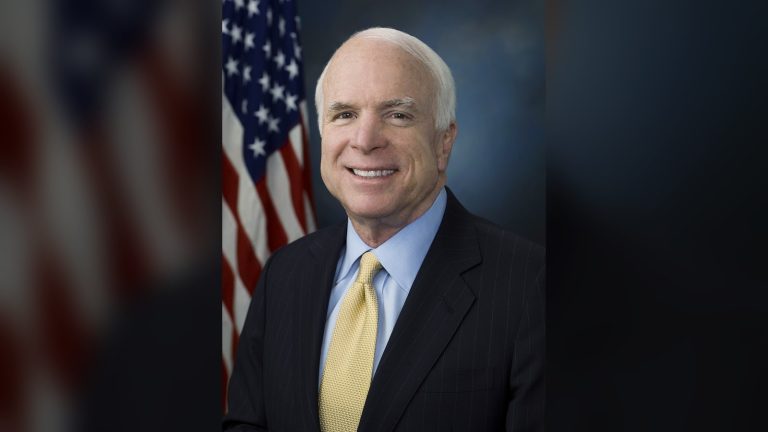
Lifetime Achievement Award: Senator Robert C. Byrd (D-WV)
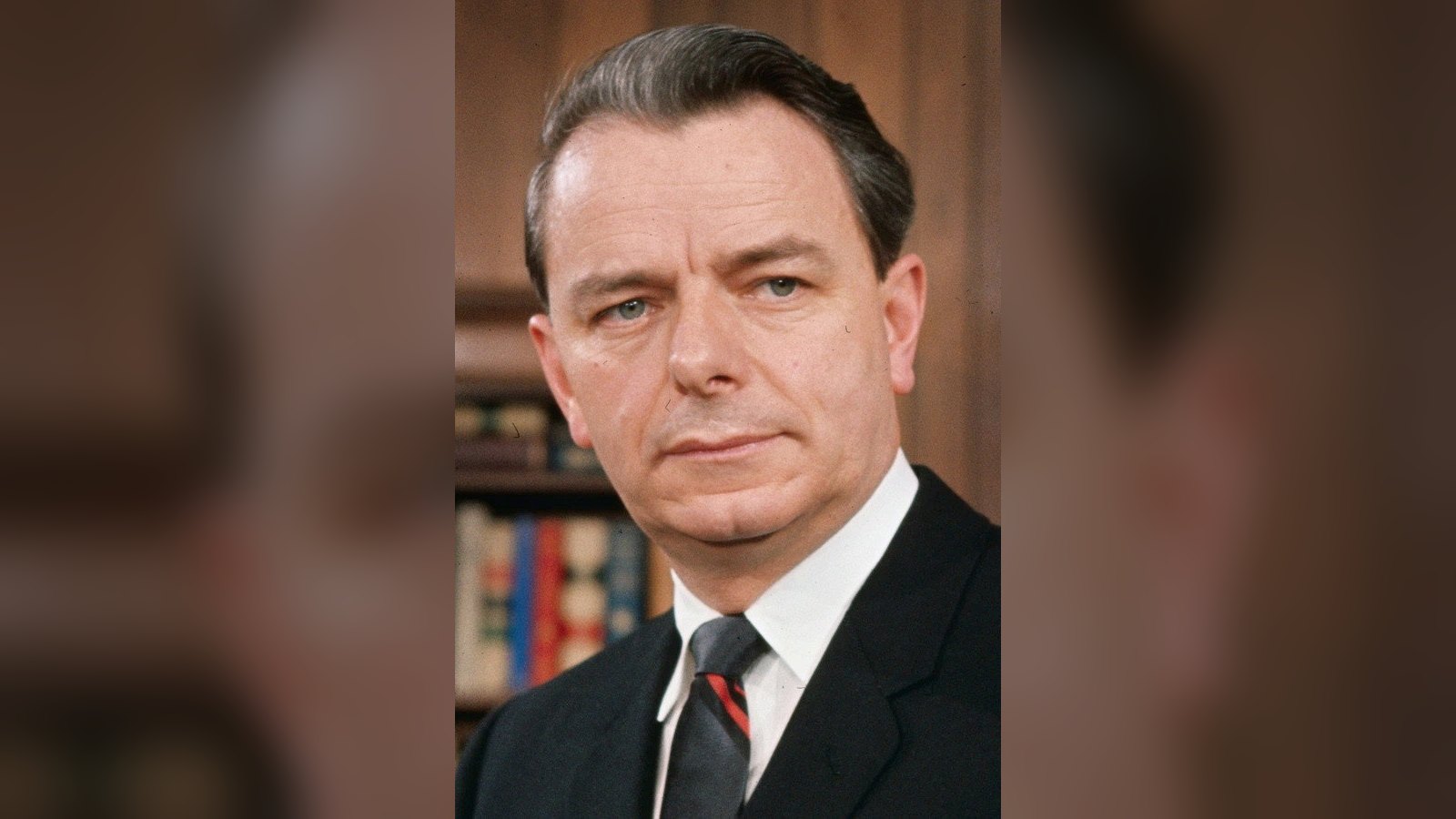
PorkBusters gave Byrd its “Lifetime Achievement Award” because it saw him as the most successful senator in history at steering federal money to his home state. During the reader voting, a PorkBusters reader named C. Brown wrote: “I once saw a park latrine in West Virginia that I thought was not named after him, but someone told me the sign had fallen down.” The campaign added its own joke that West Virginia was “Robert Byrd’s state,” and its residents were “just living in it.”
When the list came out, Byrd had served a little over 47 years in the Senate. He took his seat on January 3, 1959, after six years in the House. The original post called it “over forty-eight years,” which overstated his service at that point. The campaign listed federally funded projects named after him: the Robert C. Byrd Expressway, the Robert C. Byrd Freeway, the Robert C. Byrd Institute and two Robert C. Byrd Federal Buildings. Later press reports counted more than 30 federally funded projects in West Virginia bearing his name. The post also pointed to the proposed
Robert C. Byrd rooms in the U.S. Capitol
and said a monument to his long career would be fitting, except that
.
The campaign said Byrd’s work bringing federal dollars to West Virginia had earned him the title
King of Pork
from
Citizens Against Government Waste
, and it agreed with that label when it gave him the award. Citizens Against Government Waste (CAGW), a group that tracks earmarks, had long called Byrd the “King of Pork.” It named him its “Porker of the Month” in June 2006. According to the Christian Science Monitor, CAGW said Byrd directed $3.3 billion in pork-barrel spending to West Virginia between 1991 and 2008. Byrd accepted the nickname. CAGW quotes him saying: “They call me ‘The Pork King.’ They don’t know how much I enjoy it.”
What happened next: Byrd became the longest-serving senator in US history in June 2006. He died in office on June 28, 2010, after more than 51 years in the Senate. That record for Senate service still stands in November 2026.
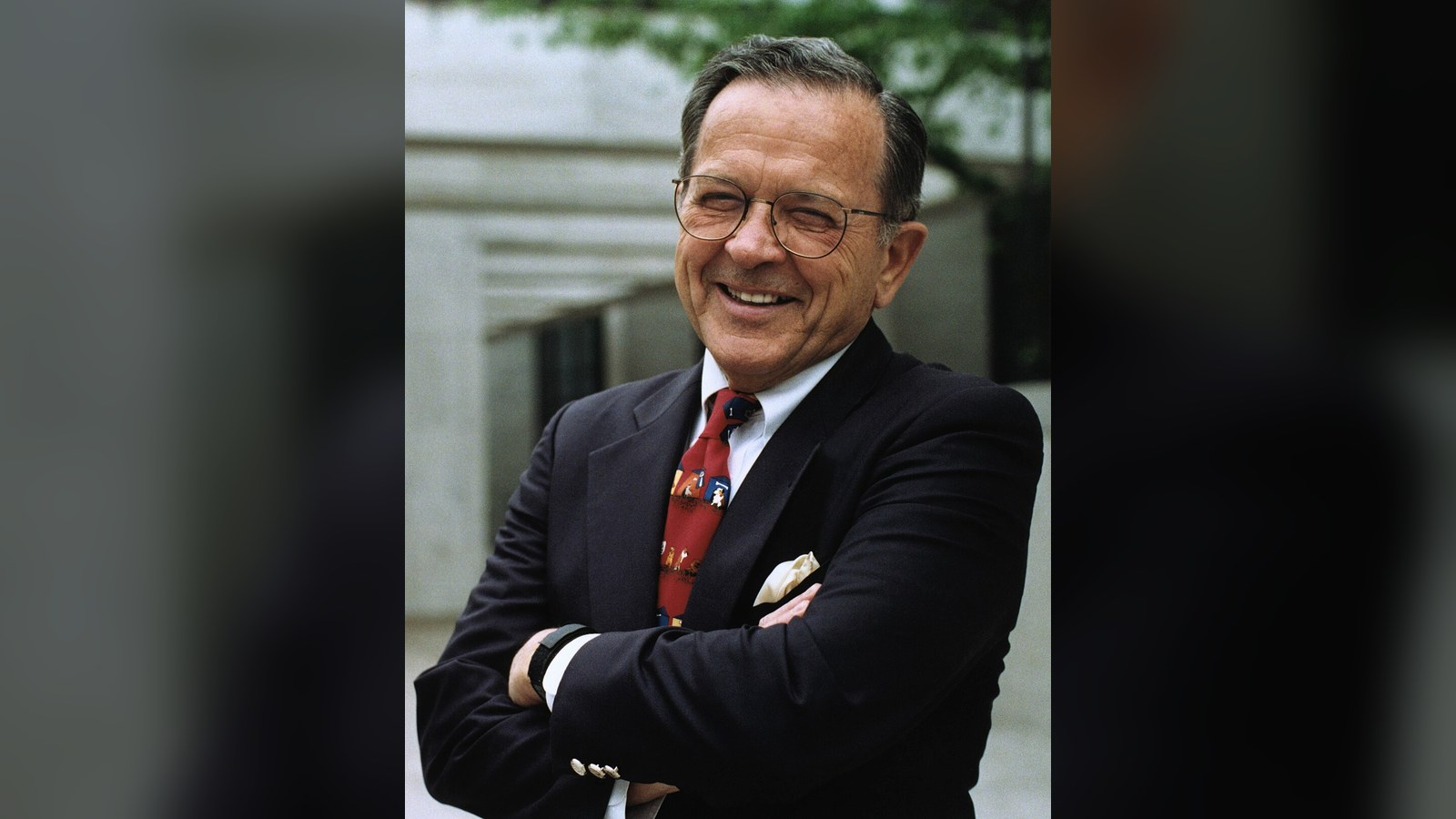
Hall of Shame: Senator Ted Stevens (R-AK)

PorkBusters added Stevens mainly because of how hard he defended Alaska’s earmarks, especially the Gravina Island bridge, which critics nicknamed the “Bridge to Nowhere.”
 |
The campaign used a Star Wars comparison. If Byrd was the
of pork, the post said, Stevens wanted to be his
. In the campaign’s words, Stevens’ approach ran straight over a
. PorkBusters said the money Stevens won for Alaska was not the main reason he made the list. The reason was the
pride
he showed in defending it.
The defining moment came on October 20, 2005. Senator Tom Coburn (R-OK) offered an amendment to move bridge money earmarked for Alaska to rebuild Louisiana’s Twin Spans bridge, which Hurricane Katrina had damaged. On the Senate floor, Stevens vowed to “
be taken out of here on a stretcher
” if the amendment passed. Reports at the time described this as a threat to resign from the Senate. The amendment failed 82-15. Congress later removed the earmark language for the two Alaska bridges, but Alaska kept the money. Governor Sarah Palin cancelled the Gravina Island bridge in September 2007.
What happened next: In October 2008, a jury convicted Stevens of making false statements on his Senate financial disclosure forms. He lost his re-election race that November to Mark Begich (D) and left the Senate in January 2009, after serving since 1968. That made him the longest-serving Republican senator up to that time. In April 2009, Judge Emmet G. Sullivan threw out the conviction after the Justice Department asked for dismissal because of prosecutorial misconduct. Stevens died in a plane crash near Dillingham, Alaska, on August 9, 2010, at age 86.
Dishonorable Mentions: Senator Hillary Clinton (D-NY) and Representative Tammy Baldwin (D-WI)
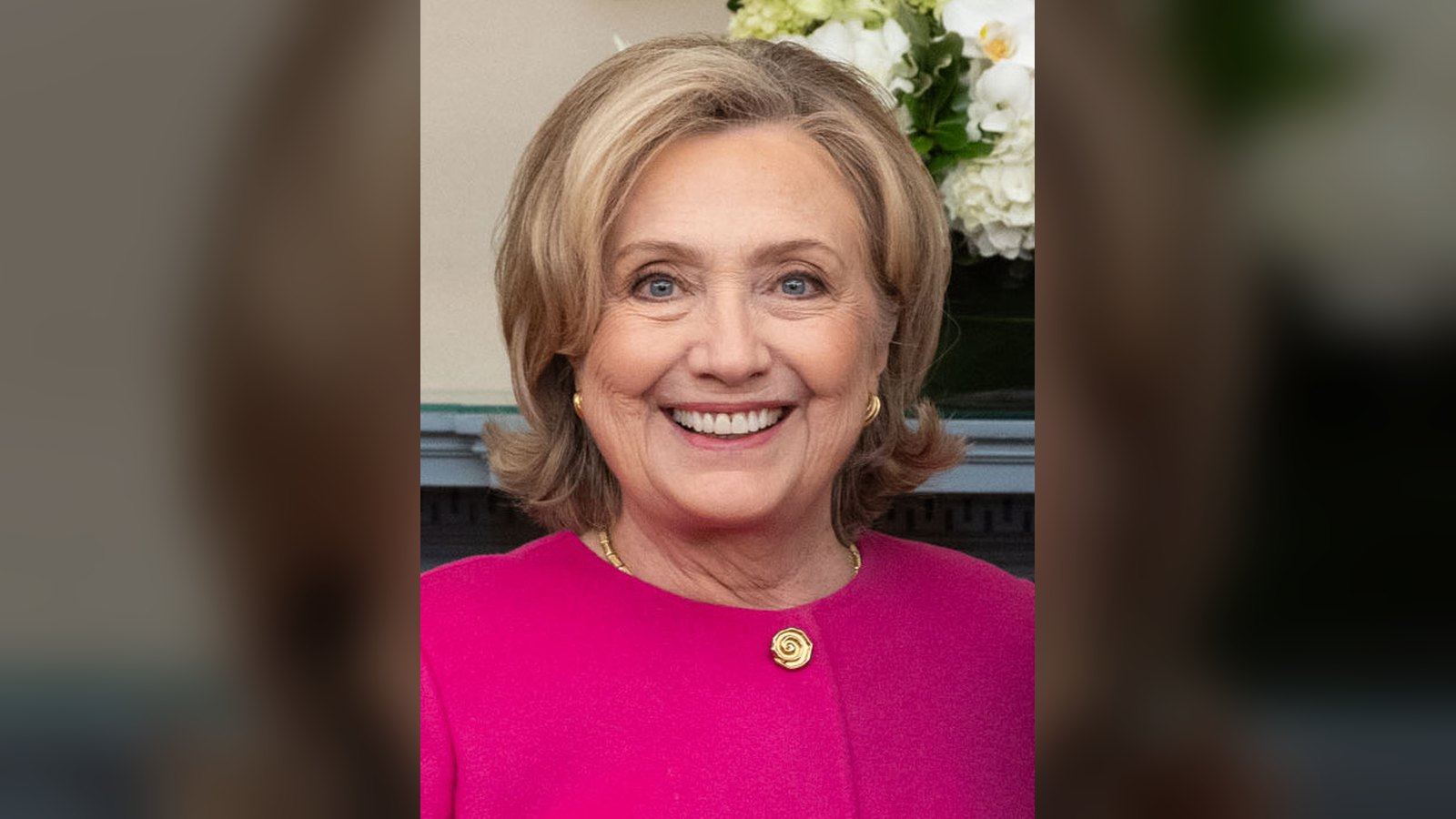
Clinton and Baldwin received “dishonorable mentions” for what the campaign saw as defending or promoting local spending programs.
  |
According to PorkBusters, Senator Clinton had earned a place in
Citizens Against Government Waste’s
own Hall of Shame for
her defense
of the Community Development Block Grant (CDBG) program, which the campaign called “rather hammy.” CDBG is a long-running Department of Housing and Urban Development program that sends formula grants to states and cities for housing and community development.
Representative Baldwin, then in the House for Wisconsin’s 2nd District, wrote on her House website: “I’m proud of my record of securing over $100 million federal dollars to support important projects throughout my district.” That statement sat above her
laundry-list-like page of “major accomplishments.”
One of the first items on the list was $1.76 million for “Portage bike path development.” The post ended with a lesson the campaign said it had learned:
it’s always the damned bike paths
.
What happened next: Clinton left the Senate in 2009 to become Secretary of State and was the Democratic presidential nominee in 2016. Baldwin won a Senate seat in 2012, took office in January 2013 and won re-election in 2018 and 2024.
Where the honorees ended up
| Honoree | Role in February 2006 | Later career |
|---|---|---|
| Robert C. Byrd (D-WV) | Senator since 1959 | Died in office June 28, 2010; longest-serving senator in history |
| Ted Stevens (R-AK) | Senator since 1968 | Convicted 2008, lost re-election, conviction vacated 2009; died August 9, 2010 |
| Hillary Clinton (D-NY) | Senator since 2001 | Secretary of State 2009 to 2013; 2016 Democratic nominee |
| Tammy Baldwin (D-WI) | Representative, WI-2, since 1999 | Senator since January 2013 |
How earmarks work in 2026
Earmarks are back. They are smaller and come with more disclosure than when PorkBusters was active. House Republicans put a moratorium in their conference rules in 2010, and Congress stopped earmarking from 2011. In 2021, Congress restored earmarks for fiscal 2022 appropriations under new names and rules, when Rosa DeLauro (D-CT) chaired House Appropriations and Patrick Leahy (D-VT) chaired Senate Appropriations. In March 2021, House Republicans voted 102-84 to take part.
- Request. Each member posts project requests online. For FY2027 the House allowed up to 20 Community Project Funding requests per member, up from 15 in FY2026.
- Certify. Members certify that they and their families have no financial interest in the project. For-profit companies cannot receive the money.
- Committee review. The appropriations subcommittees pick which projects to fund, within a total cap set as a share of discretionary spending. The cap was 1% when the system came back.
- Enactment. Funded projects are listed in the reports that go with the 12 regular spending bills. Each project gets a one-time grant through a federal agency.
- Oversight. Agencies run the grants, and the Government Accountability Office audits a sample of them.
FY2026 shows how much depends on full-year bills. Formal earmarks in FY2026 spending bills came to about $15.5 billion, according to Taxpayers for Common Sense. For FY2027, the Continuing Appropriations and Extensions Act, 2027 (H.R. 6500, Public Law 119-103) passed the Senate 90-6 and the House 370-48. It funds the government through December 11, 2026. Stopgap bills like this do not fund new earmarks. So FY2027 projects depend on what full-year funding legislation Congress enacts.
FAQ
What was the PorkBusters Hall of Shame?
It was a list the PorkBusters blog campaign started in February 2006 to single out lawmakers it saw as the biggest earmark seekers. The first list gave Robert Byrd a Lifetime Achievement Award, named Ted Stevens and gave dishonorable mentions to Hillary Clinton and Tammy Baldwin. The campaign said it chose them from reader votes and its editors’ judgment.
Are earmarks still banned?
No. Congress stopped earmarking from 2011, then brought it back in 2021. The House calls them Community Project Funding and the Senate calls them Congressionally Directed Spending. Requests are public, members must certify they have no financial interest, and for-profit companies cannot receive the money.
What happened to the Bridge to Nowhere?
The Senate rejected Tom Coburn’s amendment to redirect the money on October 20, 2005, by a vote of 82-15. Later that year Congress removed the earmark language but let Alaska keep the money. Governor Sarah Palin cancelled the Gravina Island bridge in September 2007.
Why was Robert Byrd called the “King of Pork”?
Citizens Against Government Waste gave him the nickname because of the federal projects he steered to West Virginia, many of them named after him. The group said he directed $3.3 billion to the state between 1991 and 2008. Byrd accepted the label and said he enjoyed it.
Is there a limit on how many earmarks a member can request?
Yes. House members could submit up to 20 Community Project Funding requests for FY2027, up from 15 for FY2026. Senate offices follow their own Appropriations Committee guidance. Total earmark spending is capped as a share of discretionary spending, and a request is not guaranteed funding.
When will FY2027 earmarks be funded?
Only when Congress enacts full-year FY2027 funding legislation that includes them. The current stopgap, Public Law 119-103, runs through December 11, 2026, and does not fund new earmarks. Congress must pass regular bills or another stopgap by then to avoid a funding gap starting December 12, 2026.
Sources
- Congress.gov: H.R. 6500, Continuing Appropriations and Extensions Act, 2027
- Congressional Research Service: Overview of Continuing Appropriations for FY2027 (Division A of P.L. 119-103), R49353
- Congressional Research Service: Appropriations Status Table, FY2027
- Congressional Research Service: Transportation, Housing and Urban Development Appropriations for FY2026, R48728
- Federal Transit Administration: Community Project Funding/Congressionally Directed Spending
- Taxpayers for Common Sense: Backdoor Earmarks in the FY2026 Pentagon Budget
- National Taxpayers Union Foundation: Tracking the House of Representatives FY2027 Earmark Requests
- Citizens Against Government Waste: CAGW Names Sen. Robert Byrd Porker of the Month
- Christian Science Monitor: Sen. Robert Byrd: King of pork or larger-than-life hero?
- NPR: Ted Stevens, 86, Dead in Alaska Plane Crash
- ProPublica: Obama and Biden voted against stripping Bridge to Nowhere funds
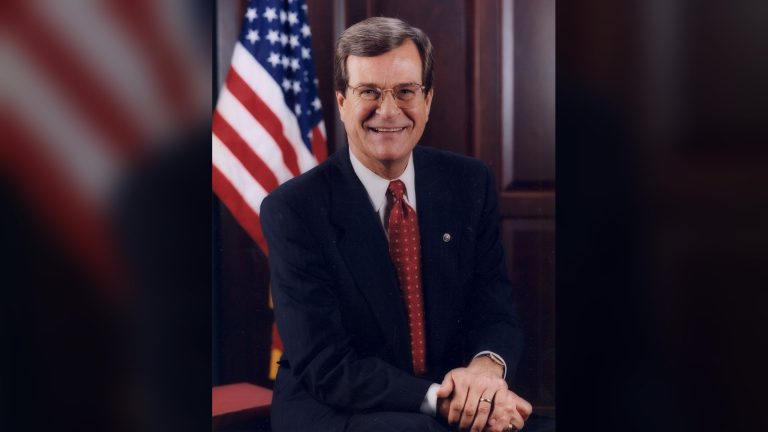
Featured image: Ted Stevens. Photo: United States Senate Historical Office / Wikimedia Commons, Public domain (file page)
About this article
- Fact-checked before publication.
- Published · Updated