The Railroad to Nowhere Vote: Coburn’s 2006 Amendment and the $700 Million Rail Earmark
The $700 million “Railroad to Nowhere” survived a 49-48 Senate vote in April 2006 but never became law. House and Senate negotiators dropped it from the final emergency spending bill, Public Law 109-234, in June 2006. Congress then banned earmarks in 2011 and brought them back in 2021, under the name Community Project Funding in the House and Congressionally Directed Spending in the Senate. As of November 2026, lawmakers have to post their requests publicly and certify they have no financial stake in them, and House rules cap total earmarks at 0.5 percent of discretionary spending. The FY2027 earmarks are still waiting for final bills, because the government is running on a stopgap that lasts until December 11, 2026.
What the Senate decided in April 2006
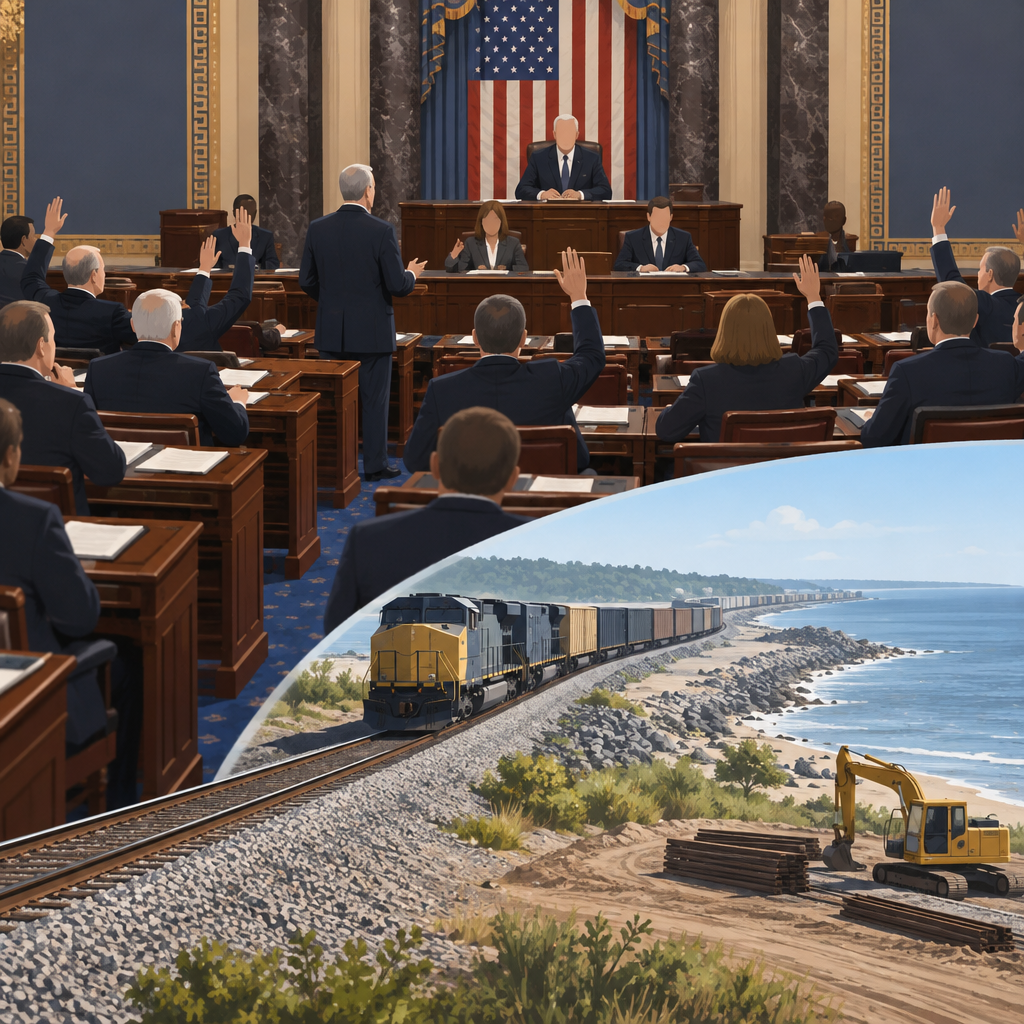
On April 26, 2006, the Senate tabled (set aside) Division I of Senator Tom Coburn’s (R-OK) Amendment No. 3641 by 49 to 48 in Roll Call Vote No. 99. That division would have blocked money for the Rail Line Relocation Capital Grant program. The money would have moved a CSX freight line on the Mississippi Gulf Coast. Later, Senator Richard Shelby (R-AL) got unanimous consent to change his vote, and the official tally became 50-47.
At the time, the original PorkBusters post reported that an amendment introduced by Senator Tom Coburn challenging the Railroad to Nowhere has been defeated by a 49-48 vote. Strictly speaking, the amendment was tabled rather than rejected on an up-or-down vote. The effect was the same: the $700 million stayed in the Senate’s version of the bill.
The bill was H.R. 4939, the Emergency Supplemental Appropriations Act for Defense, the Global War on Terror, and Hurricane Recovery, 2006. The Senate version came to about $106.5 billion.
What each side argued
Each side described the project very differently.
- Coburn’s case. Coburn called the project wasteful. He said it did not meet the Senate’s own definition of an emergency. Critics also pointed out that the line had already been rebuilt after Hurricane Katrina, at a cost of at least $250 million, according to NBC News reporting. They gave it the nickname “Railroad to Nowhere.”
- The supporters’ case. Mississippi’s two Republican senators backed the money: Thad Cochran, who chaired the Senate Appropriations Committee, and Trent Lott. Press coverage described it as part of the Gulf Coast’s recovery. Moving the tracks inland would free the coastal corridor for rebuilding U.S. 90.
How the party leaders voted
The two Senate leaders voted on opposite sides.
- Voted against tabling (to keep the challenge to the $700 million alive): Senate Democratic Leader Harry Reid (D-NV).
- Voted to table (to keep the $700 million in the bill): Senate Majority Leader Bill Frist (R-TN). The original post called Frist the “Republican Leader.” He was the majority leader at the time.
How the original post framed it
The 2006 post was written as advocacy. It presented the vote as a failure of the Republican majority’s promise to rein in spending. It joked that former House Speaker Newt Gingrich would be dismayed, and it called the list of yes votes a “roll call of shame.” That was the PorkBusters organizers’ view. The senators on the list said they were voting for hurricane recovery money for the Gulf Coast.
The senators who voted to table the amendment

Forty-nine senators voted to table Division I on the first tally, which kept the rail money in the bill. Senator Shelby’s later vote change raised the total to 50. By party, the 49 names below include 28 Republicans, 20 Democrats and 1 independent.
Akaka (D-HI) Alexander (R-TN) Allard (R-CO) Baucus (D-MT) Bennett (R-UT) Bond (R-MO) Burns (R-MT) Byrd (D-WV) Clinton (D-NY) Cochran (R-MS) Coleman (R-MN) Collins (R-ME) Craig (R-ID) Crapo (R-ID) Dayton (D-MN) DeWine (R-OH) Domenici (R-NM) Dorgan (D-ND) Feinstein (D-CA) Frist (R-TN) Grassley (R-IA) Gregg (R-NH) Harkin (D-IA) Hatch (R-UT) Hutchison (R-TX) Inouye (D-HI) Jeffords (I-VT) Johnson (D-SD) Kennedy (D-MA) Landrieu (D-LA) Lautenberg (D-NJ) Leahy (D-VT) Lincoln (D-AR) Lott (R-MS) Martinez (R-FL) McConnell (R-KY) Menendez (D-NJ) Mikulski (D-MD) Murkowski (R-AK) Pryor (D-AR) Roberts (R-KS) Sarbanes (D-MD) Schumer (D-NY) Smith (R-OR) Snowe (R-ME) Specter (R-PA) Stevens (R-AK) Vitter (R-LA) Warner (R-VA)
The vote cut across party lines. Leaders and senior appropriators from both parties ended up on the same side.
What happened to the $700 million
The rail money was dropped in conference. House negotiators said the bill should be limited to defense and hurricane relief, and the final law left out the more than $700 million for rerouting the CSX line.
The House and Senate negotiators’ final version of H.R. 4939 came to about $94.4 billion, according to a summary by the House Republican Study Committee. It was enacted in June 2006 as Public Law 109-234. That was well below the Senate’s $106.5 billion version.
From earmark ban to Community Project Funding
Fights like this one helped build pressure for the ban that followed. House Republicans imposed an earmark moratorium when they took the majority in January 2011. The Democratic-led Senate followed at the urging of President Barack Obama.
The ban ended in 2021. House appropriators brought back earmarks as Community Project Funding, and the Senate Appropriations Committee followed with Congressionally Directed Spending, starting with FY2022 bills. The new rules required:
- Members post every request online, with the recipient and the purpose.
- Members certify that neither they nor their immediate family have a financial interest in the project.
- Each project shows community support.
- Total earmarks stay under a cap. The cap started at 1 percent of discretionary spending, and House guidance for FY2027 sets it at 0.5 percent.
- Each member is limited to a set number of requests. House Appropriations Chairman Tom Cole (R-OK) raised the House limit to 20 per member for FY2027.
Where earmarks stand in November 2026
FY2026 earmarks became law in early 2026. FY2027 earmarks have been requested but not yet funded.
- FY2025: No earmarks. Congress funded the government with a full-year continuing resolution, which carries over earlier funding and has no new projects.
- FY2026: Roll Call and The Washington Post reported that nearly $15.5 billion in earmarks for more than 8,000 projects had been enacted by February 2026. Citizens Against Government Waste counts a higher total, $23.7 billion, using its own broader definition of an earmark.
- FY2027: House members could start submitting requests on February 25, 2026. None of the 12 FY2027 appropriations bills has been enacted. The government runs on H.R. 6500, the Continuing Appropriations and Extensions Act, 2027 (Public Law 119-103). The Senate passed it 90-6 in August and the House 370-48 on September 1, and President Donald Trump signed it on September 2. It funds agencies at mostly current levels through December 11, 2026.
FAQ
What was the Railroad to Nowhere?
It was about $700 million in the Senate’s 2006 emergency spending bill to move a CSX freight line on the Mississippi Gulf Coast inland. Critics, led by Senator Tom Coburn, gave it the nickname. They said the line had already been repaired after Hurricane Katrina. Supporters, including Senators Thad Cochran and Trent Lott, presented it as part of the coast’s recovery.
Was the Railroad to Nowhere ever built with that money?
No. The Senate kept the money in its bill, but House and Senate negotiators removed it from the final version of H.R. 4939. The law signed in June 2006, Public Law 109-234, did not include it.
Why do some sources say 49-48 and others 50-47?
Both are correct for different moments. The Senate’s first tally on the motion to table was 49-48. Senator Richard Shelby then got unanimous consent to change his vote, so the official record shows 50-47.
Are earmarks still banned?
No. The ban ran from 2011 until 2021. Earmarks now appear in spending bills as Community Project Funding in the House and Congressionally Directed Spending in the Senate. Requests have to be posted publicly, and the total is capped.
How can you see which earmarks a member of Congress requested?
Each member who requests projects posts the list on their official House or Senate website. The House and Senate Appropriations Committees also publish tables of funded projects with each spending bill. Once the money goes out, USAspending.gov tracks the grants and awards that follow.
What was PorkBusters?
Founded in 2005 by bloggers N.Z. Bear and Glenn Reynolds, PorkBusters was a campaign against congressional earmarks and pork-barrel spending. Its organizers urged readers to contact their senators and posted roll calls like the one above. The current site has new, unrelated owners and is an independent, nonpartisan explainer of federal spending and the budget.
Sources
- U.S. Senate Roll Call Vote 99, 109th Congress, 2nd Session
- Congressional Record, Senate, May 3, 2006 (govinfo)
- Public Law 109-234 (govinfo)
- Senate Report 109-230 (govinfo)
- H.R. 6500, Continuing Appropriations and Extensions Act, 2027 (Congress.gov)
- House Appropriations Committee: FY27 Community Project Funding guidance
- CRS: Agriculture and Related Agencies, FY2026 Appropriations
- NBC News: Mississippi senators’ rail plan challenged
- Roll Call: Earmarks flood spending bills after a year’s hiatus
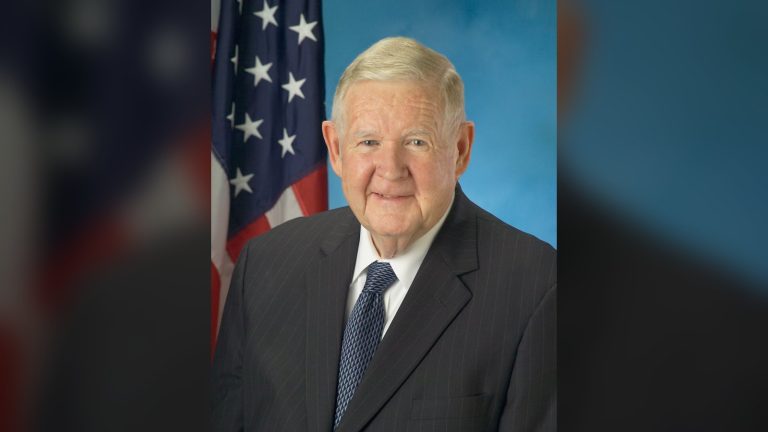
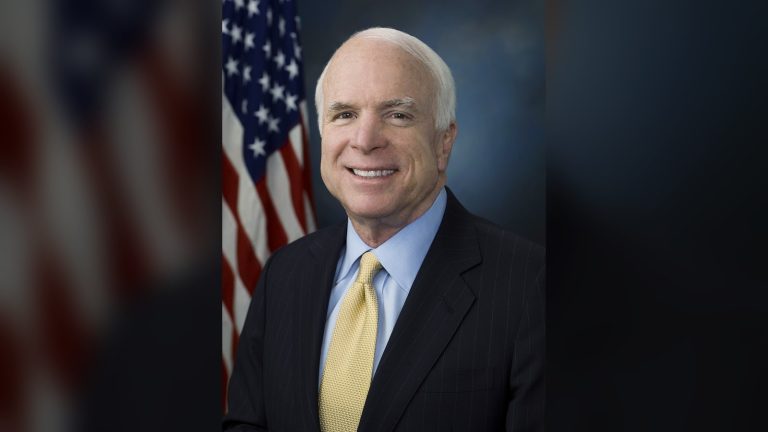
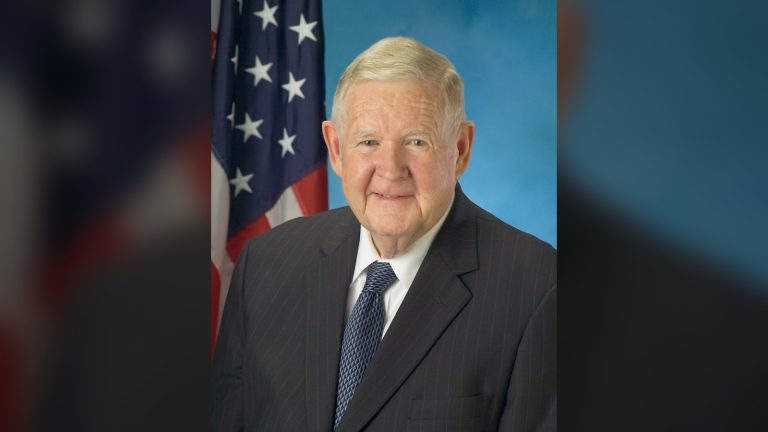
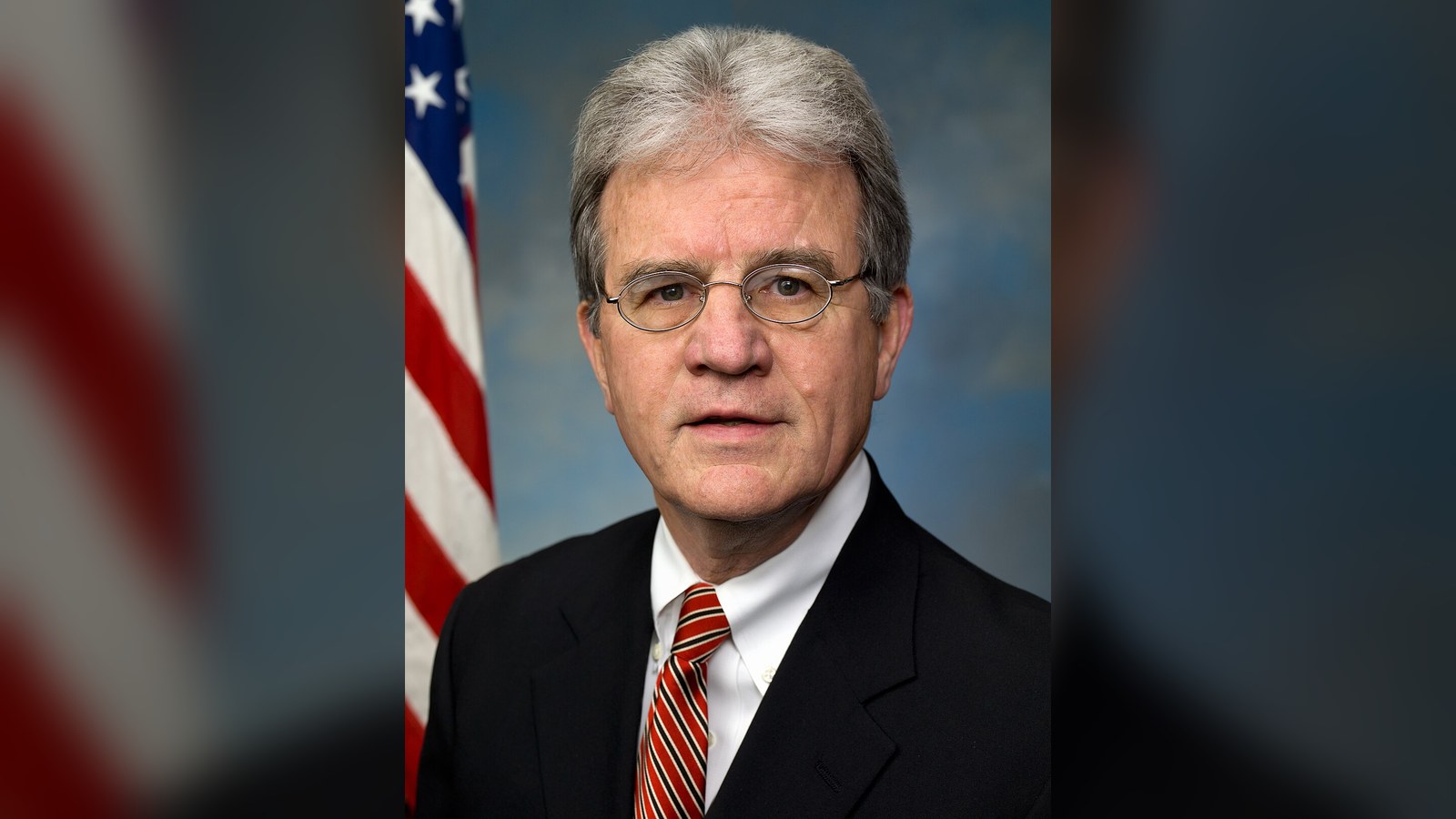
Featured image: Tom Coburn. Photo: United States Senate / Wikimedia Commons, Public domain (file page)
About this article
- Fact-checked before publication.
- Published · Updated